Wondering whether a Richmond property could support an ADU or cottage housing? You are not alone. In a close-in Southeast Portland neighborhood where many buyers and owners want more flexibility from the same lot, these smaller-scale housing options can create room for family, rental income, or long-term planning. The key is knowing what is actually allowed before you spend money on plans or assume a property has more potential than it does. Let’s dive in.
Why Richmond Fits This Conversation
Richmond is one of Portland’s established inner Southeast neighborhoods, with 13,508 residents, 6,207 households, and 6,664 housing units, according to the City of Portland’s Richmond neighborhood profile. The same profile shows a 53% homeownership rate, a median home value of $577,039, and a median gross rent of $1,506.
That mix matters because it makes flexible housing options relevant to more than one type of household. If you already own in Richmond, you may be thinking about space for family, future rental use, or aging in place. If you are buying, you may be looking for a property that offers more long-term options than a standard single-dwelling setup.
Portland’s long-range planning framework also helps explain why this topic comes up so often in Richmond. The city describes R5 as the most common single-dwelling pattern in inner neighborhoods and R2.5 as a transition pattern near centers and corridors, which helps explain why ADUs and cottage housing can be realistic on some lots in close-in areas like this one, even though zoning still has to be verified parcel by parcel through PortlandMaps and the city’s zoning regulations.
Start With The Parcel, Not The Idea
The biggest mistake buyers and owners make is starting with a concept instead of the actual property. In Portland, zoning is parcel-specific, and the zoning map for a given address may also include overlay zones, plan districts, or historic and conservation boundaries.
That means two homes on nearby streets can have very different development paths. Before you assume a backyard cottage, detached ADU, or cottage cluster is possible, you should confirm the address in PortlandMaps.
State rules also shape what cities must allow. Oregon’s Housing Choice guidance says cities in the Portland metro area must allow duplexes, triplexes, fourplexes, cottage clusters, and townhouses in residential areas, and must allow ADUs in detached single-family zones in eligible cities and counties. In Portland, though, those statewide rules still work alongside local siting, design, and overlay standards.
What Counts As An ADU In Portland
An ADU, or accessory dwelling unit, is a separate housing option that Portland treats differently from middle housing. The city says an ADU can be created by:
- Converting part of a house
- Adding onto a house
- Converting an accessory structure, such as a garage
- Building a new detached structure
Portland allows detached ADUs in residential, commercial, and EX zones under its ADU zoning rules. That gives many Richmond owners and buyers a practical path to add smaller-scale housing without fully redeveloping a lot.
Just as important, Portland says ADUs cannot be built on the same development site as triplexes, fourplexes, cottage clusters, or other multi-dwelling structures. So if you are comparing options for a property, you usually need to choose between an ADU path and a middle-housing path rather than assuming you can combine them freely.
Common ADU Setups In Richmond
In a neighborhood with older housing stock and a mix of lot types, a few ADU approaches tend to come up most often.
Interior Conversion
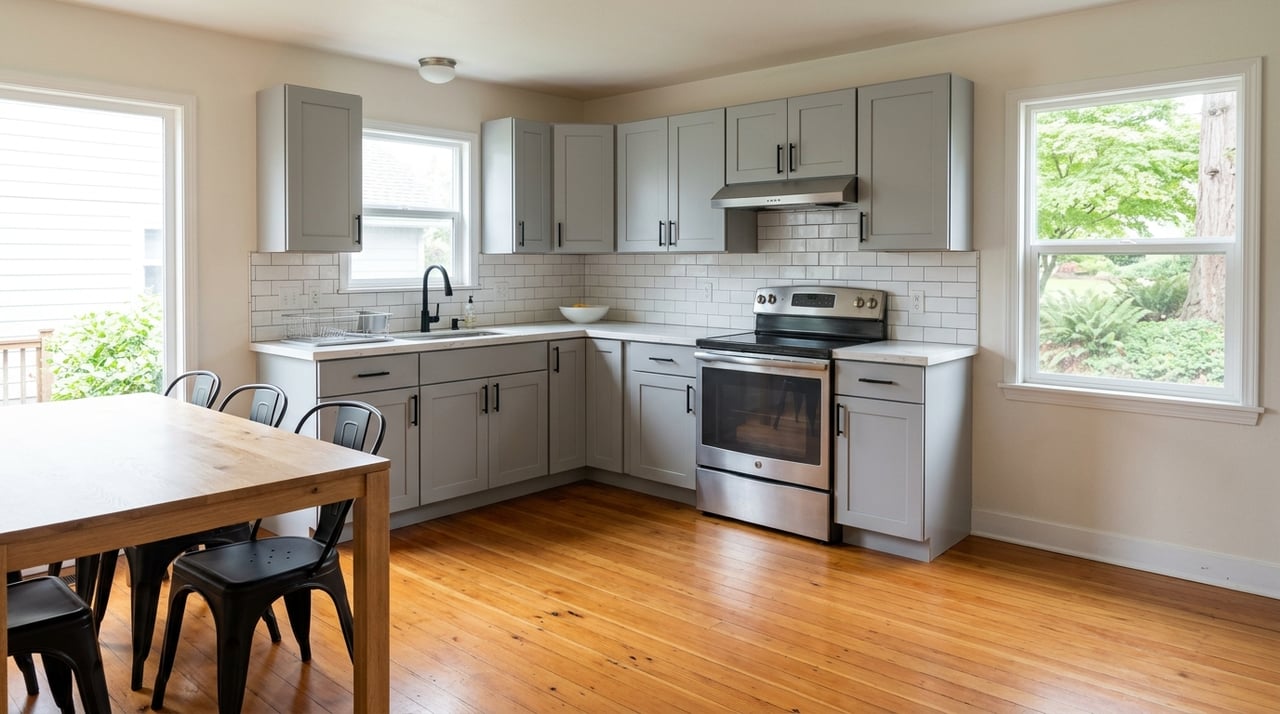
This option uses space inside the existing home, such as a basement or part of the main structure. It can seem like the simplest path, but Portland notes that conversion projects often run into practical issues like ceiling height, emergency egress windows, insulation, ventilation, and stairs.
For many older Richmond homes, that means the existing footprint may help, but the details can still be more complex than expected. A basement that looks usable at first glance may need meaningful upgrades to become legal dwelling space.
Attached Addition
An attached ADU adds new living space onto the main house. This can work well if you want a more integrated layout while keeping the property readable as one primary home with one accessory unit.
It may also make sense on a lot where a detached structure would be harder to place. The tradeoff is that the design has to work with the existing house and site constraints.
Garage Conversion Or Accessory Structure Conversion
Some owners look at an existing garage or outbuilding first. That can be efficient in the right case, but only if the structure can meet current code and permit requirements.
Older detached buildings often need more upgrading than expected. Utilities, insulation, structural condition, and life-safety items can all change the budget quickly.
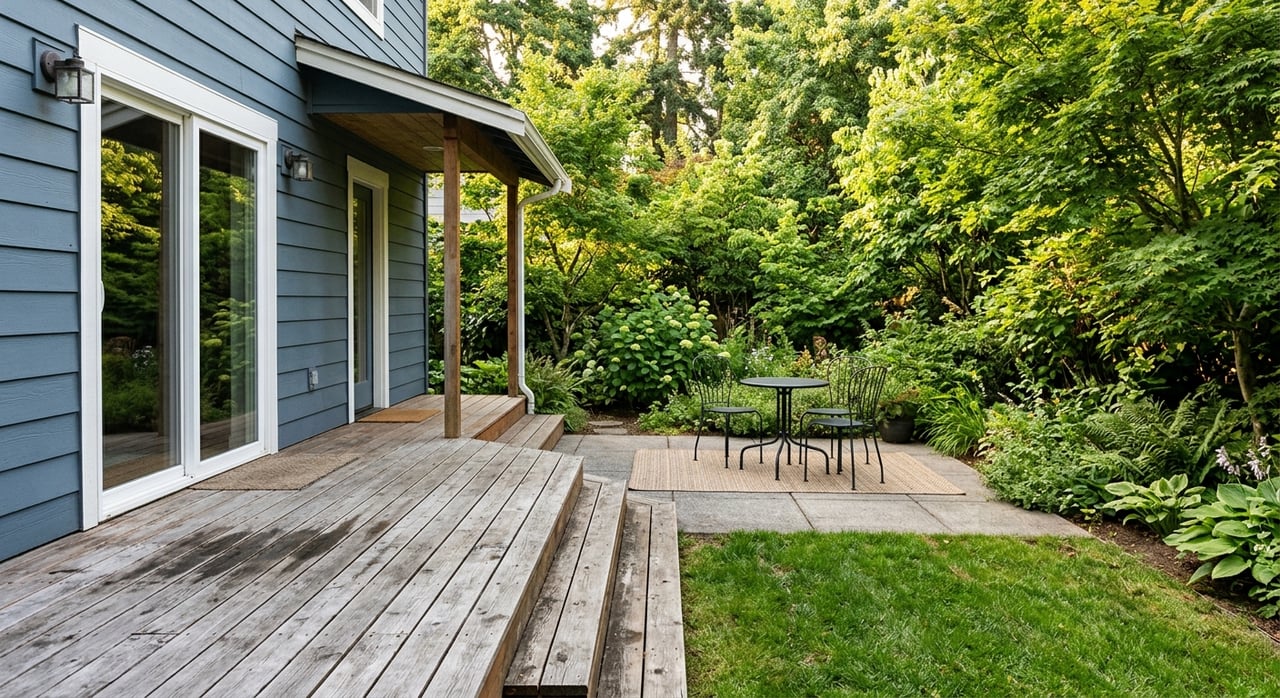
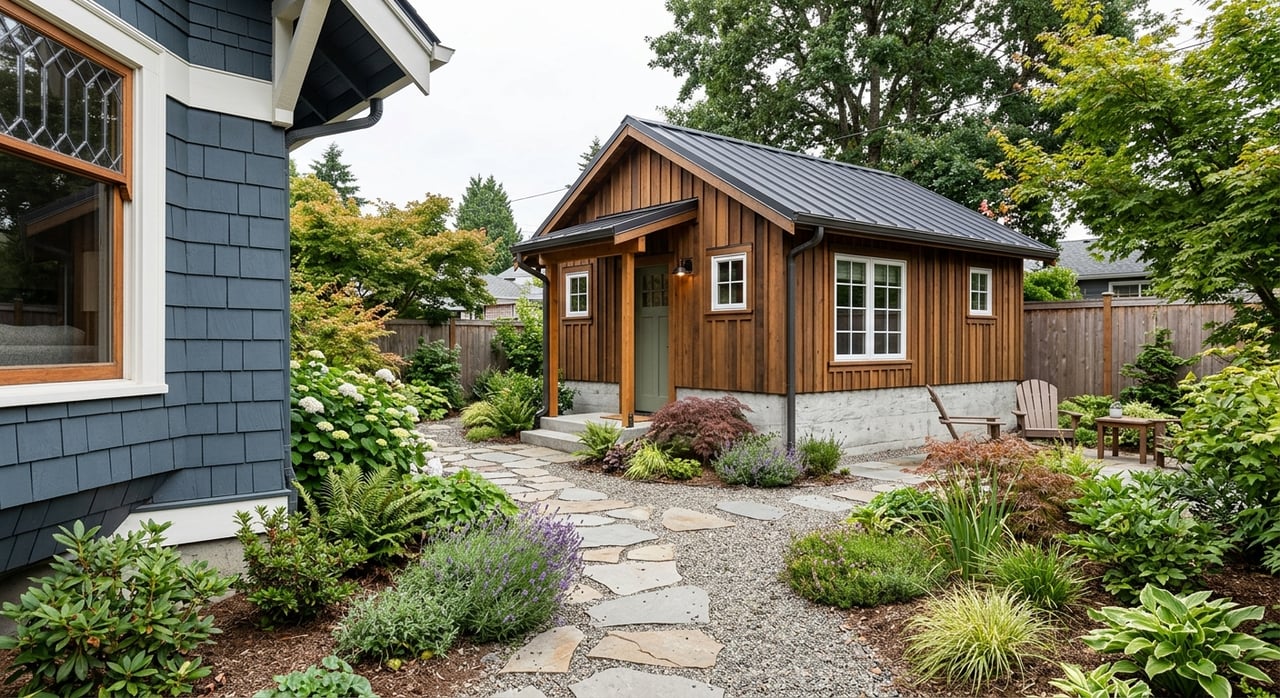
Detached Backyard Cottage
For many buyers, this is the version they picture first. Portland’s rules say detached ADUs generally must sit 40 feet back from the front lot line or behind the rear wall of the main house, cannot cover more than 20% of the site, and can reach 20 feet in height outside required setbacks or 15 feet inside them, based on the city’s ADU standards.
If a detached ADU is taller than 15 feet, Portland requires it to visually match the primary structure in materials and other exterior details. In a close-in neighborhood like Richmond, those rules can strongly shape what is practical on a given lot.
When Cottage Housing Makes Sense
Cottage housing is a different concept from adding one ADU behind one house. Portland defines cottage clusters as three to 16 detached dwelling units on one lot, with each unit having a footprint under 900 square feet, according to the city’s residential infill options.
These clusters are allowed in RM1, R2.5, R5, R7, and R10 zones, but not in R20. They also require a city-maintained street, cannot be on sites with a z overlay, must include common outdoor space, and cannot include ADUs on the same project site.
For the right parcel, cottage housing can be a meaningful redevelopment option. But it is usually a very different decision from simply adding flexibility to an owner-occupied home. It is more site-planning driven, and ownership goals matter earlier in the process.
Cottage Cluster Design Basics
Cottage clusters usually work best as compact courtyard or garden-style groups. Portland requires a common outdoor area, and that shared space cannot be used for projections from units or non-amenity items such as trash enclosures or bike storage lockers.
The city also requires at least 33% of cottage-cluster units to meet visitability standards. That practical requirement is one reason many successful concepts are simple, compact, and pedestrian-oriented instead of scattered loosely across a lot.
ADU Vs. Cottage Housing
If you are weighing options in Richmond, this side-by-side view can help.
| Option | Best fit | Key limit to know |
|---|---|---|
| ADU | Owners or buyers wanting one additional unit with an existing home | Cannot be combined with cottage clusters, triplexes, fourplexes, or other multi-dwelling structures on the same development site |
| Cottage cluster | Larger redevelopment plans with multiple small detached homes on one lot | Requires the right zoning, a city-maintained street, common outdoor space, and no z overlay |
| House plus long-term flexibility | Buyers planning for family use, rental flexibility, or aging in place | Exact potential still depends on parcel zoning, overlays, site layout, and permits |
Practical Questions To Ask Before You Buy Or Build
Even when zoning looks promising, the real-world questions are what determine whether a project makes sense.
Will The Existing Structure Work?
If your plan depends on converting part of a house or an older outbuilding, look closely at ceiling heights, stairs, windows, insulation, and utility access. Portland specifically notes these issues as common ADU conversion challenges in its ADU guidance.
That does not mean a conversion is a bad idea. It just means you should budget for verification, not assumptions.
What Permits Are Required?
Portland requires building and trade permits for ADUs, and new units often need electrical, plumbing, and mechanical permits in addition to the main building permit. The city also offers pre-approved detached ADU plans, which can help some owners move faster through the early planning stage.
The city recommends checking permit history, utility needs, and possible property tax impacts before starting. If you are buying with ADU plans in mind, that same homework should happen before you close, not after.
Do You Need Extra Parking?
Usually, no. Portland says no extra on-site parking is needed for an ADU under its current rules.
That is good news for many Richmond lots where space is limited. Still, parking is only one piece of the puzzle, and utility or infrastructure work may still affect cost and feasibility.
What About Fees And Long-Term Use?
Portland says System Development Charges may apply to new dwelling units that are not ADUs, while ADUs can sometimes qualify for an SDC waiver if the owner agrees not to use the unit as a short-term rental for 10 years. The city also allows ADUs to be used as accessory short-term rentals under separate permit rules, as explained in the city’s ADU zoning overview.
That makes long-term use an important planning question from the beginning. Your intended use can affect both cost and permitting strategy.
Will Ownership Flexibility Matter Later?
If separate ownership is part of the long-term goal, you need to think about that early. Portland says Middle Housing Land Divisions can apply to certain duplex, triplex, fourplex, and cottage-cluster projects, but not to projects that combine a house and an ADU.
In plain terms, that means a property that works well for rental flexibility may not work the same way for separate ownership down the road. That is a planning issue, not just a legal detail to sort out later.
Why These Options Appeal To Richmond Households
Oregon’s housing guidance points to young adults, retirees, and multigenerational families as groups that can benefit from ADUs and middle housing. In a neighborhood like Richmond, those use cases are easy to understand.
You might want space for a parent, a returning adult child, or your own future downsizing plan while staying on the same property. You might also want rental flexibility without leaving a neighborhood you already know well. For buyers, these possibilities can make one property more adaptable over time than another.
Red Flags To Check Early
Some properties will look promising at first and then become much more complicated once the details come into view. Historic designations, unusual site constraints, and overlay zones can all change the path.
Portland says historic areas may require Community Design Standards or Historic Resource Review, and lots in the z overlay are not eligible for the residential infill options discussed here. Before you pay for drawings or financing, the city recommends verifying the address in PortlandMaps, checking for unpermitted work or hazard issues, and confirming the project path with the city if anything about the site seems unusual.
The Smart Next Step In Richmond
The safest takeaway is simple: Richmond has real potential for ADUs and cottage housing, but the right answer depends on the exact parcel. Zoning, overlays, site layout, permit history, and ownership goals all matter.
If you are buying in Richmond and want to compare homes based on future flexibility, or if you already own and want a practical read on resale, site potential, and next steps, working with a broker who understands both the property search and the decision tradeoffs can save you time. If you want a clear, candid conversation about Richmond properties and how to evaluate them, connect with Devin Arthurs.
FAQs
What zoning should you check for an ADU in Richmond, Portland?
- You should verify the exact property in PortlandMaps because Portland zoning is parcel-specific, and overlays or historic boundaries can affect what is allowed.
Can a Richmond property have both an ADU and a cottage cluster?
- No. Portland says ADUs cannot be built on the same development site as cottage clusters, triplexes, fourplexes, or other multi-dwelling structures.
What is a cottage cluster in Portland housing rules?
- A cottage cluster is a group of three to 16 detached dwelling units on one lot, with each unit under 900 square feet of footprint, subject to zoning and site requirements.
Do ADUs in Richmond require extra parking?
- Portland says no extra on-site parking is required for an ADU, although other utility or infrastructure work may still be needed.
What are common ADU options for older Richmond homes?
- Common options include interior conversions, attached additions, garage or accessory-structure conversions, and detached backyard cottages, but older homes often need extra design work to meet code.
Where should Richmond buyers or owners start before planning an ADU or cottage housing project?
- Start by verifying the address in PortlandMaps and using the city’s free 15-minute planner appointment before spending money on drawings or financing.