Buying your first home in Richmond can feel exciting right up until you start doing the math. Between fast-moving listings, older homes, and prices that can land around the low-to-mid $500,000s, it is easy to wonder where to begin. The good news is that a clear plan can help you move from browsing to buying with more confidence. If you want a practical roadmap for purchasing in one of inner Southeast Portland’s best-known neighborhoods, this guide will walk you through it. Let’s dive in.
Why Richmond draws first-time buyers
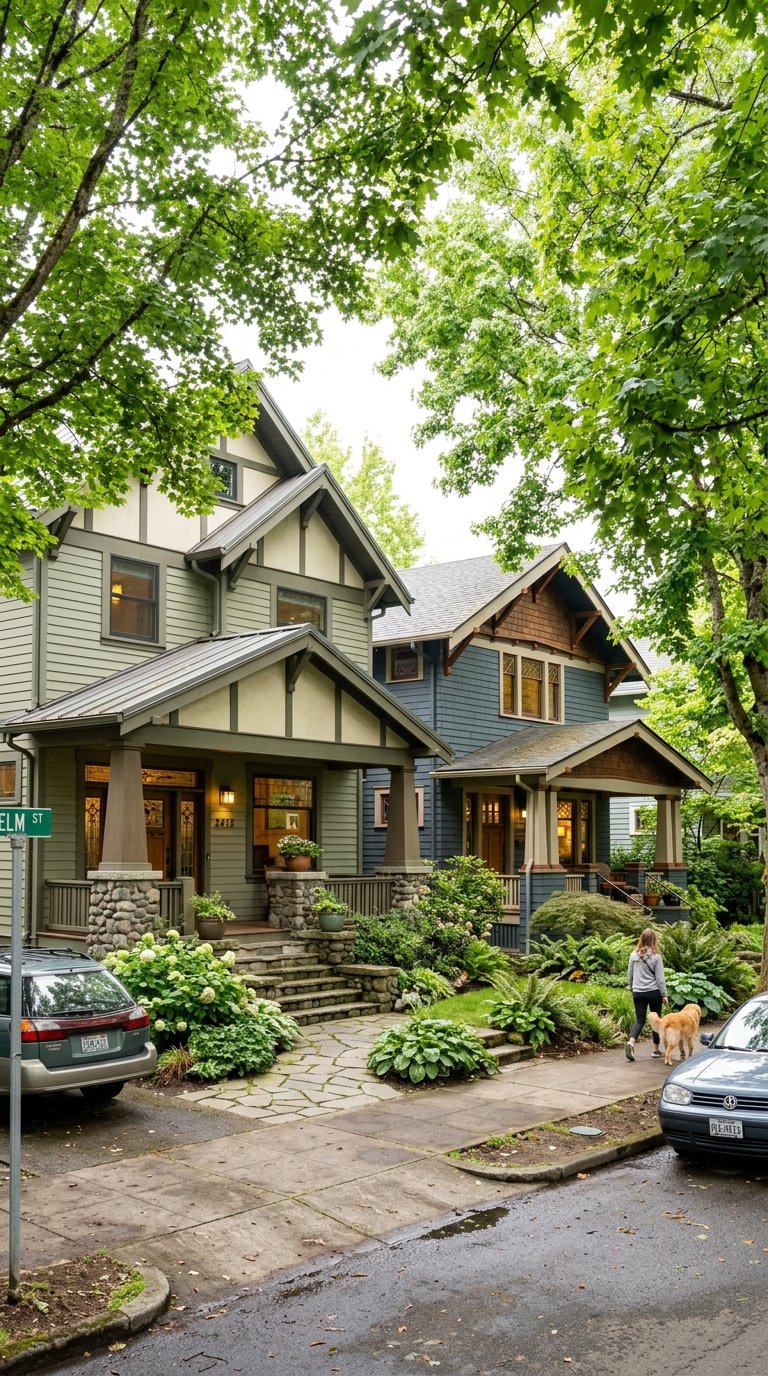
Richmond has a strong inner Southeast Portland identity, with established residential streets and easy access to the Hawthorne and Clinton/Division districts. If you want a neighborhood where you can stay close to shops, restaurants, and everyday errands, Richmond often lands on the shortlist for first-time buyers.
It is also a neighborhood where you need to be realistic about price and pace. Recent market snapshots show a median sale price around $550,000 on Redfin, while Realtor.com shows a median list price around $510,000. Those numbers are different because they measure different points in the market, but together they tell the same story: Richmond is not a bargain market, and homes can move fast.
Start with your budget, not the listings
Before you tour homes, figure out what monthly payment feels comfortable for you. That means looking at your income, regular expenses, savings, and how much you want to keep available after buying. A home that looks perfect online can become stressful quickly if the payment pushes your budget too far.
A smart starting point is to check your credit early, track your spending, and build your loan paperwork before you begin shopping. As your search moves forward, keep updating your estimates for the monthly payment, down payment, and insurance costs. That gives you a more accurate picture of what you can really afford.
Match your budget to Richmond pricing
Once you know your monthly comfort zone, compare it to Richmond’s current pricing. With recent neighborhood figures landing around $510,000 to $550,000, you may need to adjust your search based on size, condition, or property type.
That step matters because affordability is still a challenge across Portland. The Portland Housing Bureau’s 2024 report notes that median home sale prices exceeded $400,000 in almost all neighborhoods. Richmond sits above that threshold, so your budget work up front is not optional. It is the foundation of your entire search.
Get preapproved early
In a neighborhood where homes can sell quickly, preapproval is one of your most useful tools. It helps you shop within a realistic price range and shows sellers that you are serious when you make an offer.
It is important to keep this in perspective, though. A preapproval letter is not a final loan commitment. It means a lender is willing to lend based on the information provided, pending further review and confirmation.
Why preapproval matters in Richmond
Redfin reports that Richmond homes sell in about 14 days and often receive multiple offers. Realtor.com also shows a 100% sale-to-list ratio, which suggests homes are commonly selling around asking price. In a market like that, you do not want to start lender conversations after you find the right home.
Mortgage costs also change over time. Freddie Mac reported a 30-year fixed average of 6.30% for the week ending April 30, 2026. Even small rate changes can affect your monthly payment, so it helps to know your numbers before you compete.
Look into Oregon down payment help
If saving for the upfront costs feels like the hardest part, you may have state-level options worth exploring. Oregon Housing and Community Services says eligible first-time and first-generation buyers at or below 100% of area median income may qualify for down payment and closing cost help.
Depending on the program, assistance can go up to $60,000 or 20% of the purchase price. OHCS also offers Flex Lending options, including FirstHome for first-time buyers with 4% or 5% down payment assistance, and NextStep for any homebuyer through a second mortgage that may be repayable or forgivable.
What to expect with assistance programs
These programs come with requirements. Buyers must complete first-time homebuyer education and meet with a certified housing counselor. That means you should start researching these options early, not after you are already writing offers.
If you may qualify, this can be one of the most important steps in your roadmap. It could change your cash needed at closing and open up more realistic paths into the Richmond market.
Use Portland-specific tools to research homes
When you start looking at specific properties, Richmond buyers have a strong local tool available: PortlandMaps. The city says you can use it to search zoning information, permit records, land use review cases, enforcement cases, and related documents by address.
For first-time buyers, that kind of local research is extremely helpful. You can also review recent sales, property tax assessment information, public works and sewer maps, and even look up the year a house was built. In a neighborhood with many older homes, that extra context matters.
What to check before you offer
When you find a home you like, use the address to check a few basics:
- Year built
- Building and trade permits
- Signs of additions or remodels
- Property tax information
- Any obvious code or enforcement history
This is not about trying to investigate everything yourself. It is about spotting possible questions early so you can make a more informed decision.
Be extra careful with older Richmond homes
Older homes can offer charm, character, and established surroundings. They can also come with repair issues, outdated systems, or incomplete permit history. That is why first-time buyers in Richmond should pay close attention to age and renovation records.
If a home was built before 1978, there is also a higher chance of lead-based paint. Federal rules require sellers of most pre-1978 homes to disclose known lead-based paint information before the sale. In practical terms, you should check the year built early and review any disclosure materials carefully.
Ask simple, direct questions
As you evaluate an older home, focus on practical questions like these:
- When were the major updates done?
- Were those updates permitted and documented?
- Does the visible condition match the property records?
- Are there signs that more investigation is needed before you proceed?
You do not need to assume the worst. You just want enough information to avoid avoidable surprises.
Keep inspection and financing protections in place
When a home is accepted, schedule an independent inspection as soon as possible. If you can attend, that gives you a chance to hear concerns directly and ask follow-up questions in real time.
An inspection is different from an appraisal. The inspection is for your protection as the buyer, while the appraisal is part of the lender’s process. If the inspection uncovers issues, your contract terms may allow you to renegotiate or cancel.
Should you waive inspection to compete?
For most first-time buyers, the safer baseline is no. Richmond is competitive, and some buyers may waive contingencies, but that does not mean it is the right move for you.
In an older-house market, inspection and financing contingencies can be especially important. If there are hidden repair concerns, incomplete permit history, or financing issues, those protections can give you options that you may really need.
Write a competitive offer without losing your footing
A strong offer is not always the highest price at any cost. It is usually the offer that is well prepared, cleanly presented, and aligned with the seller’s priorities while still protecting your interests.
That starts before the offer is written. Know your payment limit, your maximum price, and which terms matter most to you. If the seller counters on price, repairs, or timing, you will be glad you made those decisions in advance.
What helps in a fast Richmond market
In a market where many homes sell quickly and around asking, preparation matters. It helps to:
- Have preapproval ready
- Understand your cash needed for closing
- Review disclosures promptly
- Research the property before offering
- Decide ahead of time where you can be flexible
That allows you to move quickly without making rushed choices.
Keep doing due diligence through closing
Your research should not stop when an offer is accepted. Portland notes that Multnomah County administers property taxes and maintains property tax and ownership records, while Portland’s Bureau of Development Services handles many property code and violation issues.
As closing approaches, review the tax statement, confirm permit history, and make sure there are no obvious liens or code issues still hanging over the property. Multnomah County also explains that assessed value is a tax measure that can change for reasons beyond the sale price, so do not assume the tax number tells the whole story about market value.
Build your closing plan early
It also helps to start researching closing-service providers early in the process. Title and settlement choices can affect both costs and timing once you are under contract. In a competitive market, that kind of early organization can reduce last-minute stress.
A practical Richmond roadmap
If you want to keep this simple, here is the path most first-time buyers should follow in Richmond:
- Set a monthly payment budget.
- Check credit and organize your loan documents.
- Get preapproved.
- Explore Oregon assistance programs if you may qualify.
- Search homes with Richmond pricing in mind.
- Use PortlandMaps to review permits, age, and property details.
- Read disclosures carefully, especially for older homes.
- Keep inspection and financing contingencies unless you have a very clear reason not to.
- Continue tax, permit, and title due diligence through closing.
Buying your first place in Richmond may not be simple, but it can be manageable with the right preparation. If you want direct, steady guidance from a local broker who will help you think clearly, move quickly, and stay grounded in the numbers, schedule a free market consultation with Devin Arthurs.
FAQs
How much home can you afford in Richmond as a first-time buyer?
- Start with a monthly payment you can comfortably handle, then compare that number to Richmond pricing that has recently ranged around $510,000 to $550,000 depending on the source and metric.
Do you need preapproval before touring homes in Richmond?
- Preapproval is a smart early step because it helps you shop realistically and shows sellers you are serious in a market where homes can move quickly.
How do you research an older home in Richmond, Portland?
- Use PortlandMaps to check the year built, permit history, zoning, and related property records, then review seller disclosures and order an independent inspection after your offer is accepted.
Should first-time buyers waive inspection in Richmond?
- The safer approach is usually to keep inspection and financing contingencies, especially in an older-home market where repair issues or permit gaps may not be obvious at first glance.
What first-time buyer help is available in Oregon?
- Oregon Housing and Community Services offers down payment and closing cost assistance for eligible buyers, including programs that may provide up to $60,000 or 20% of the purchase price depending on the program.
Why is Richmond considered a competitive market for buyers?
- Recent market snapshots show homes selling quickly, many at about asking price, with multiple-offer situations common, which means preparation and fast decision-making matter.