Thinking about updating a Ladd’s Addition home but worried about losing what makes it special? You’re not alone. Owners here love the diagonal streets, the elm canopy, and the early 1900s craftsmanship — and they want smart updates that respect that story. In this guide, you’ll learn what defines the neighborhood’s character, how to navigate rules and permits, and which upgrades deliver comfort and value without compromising charm. Let’s dive in.
What defines Ladd’s Addition character
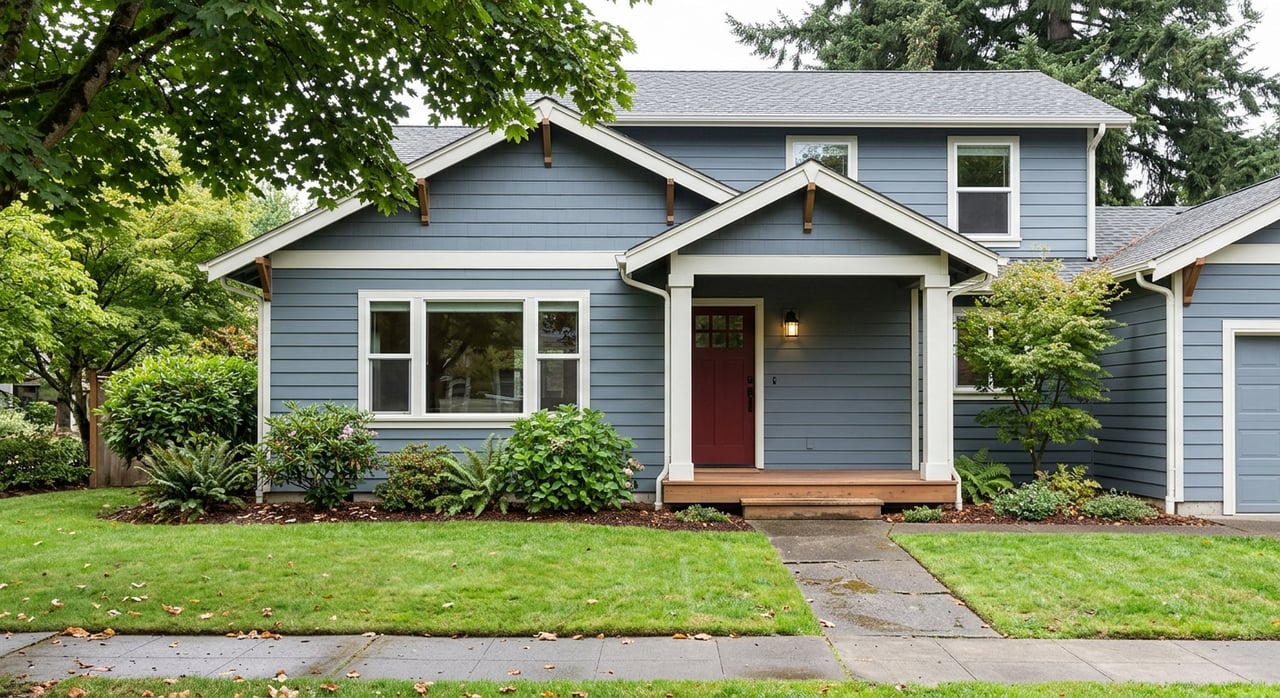
Ladd’s Addition is a planned early 20th‑century neighborhood with a unique radial street pattern, Ladd Circle, and four rose gardens set on the diamonds. Parking strips, original sidewalk details, rear alleys and garages, and a mature elm canopy all contribute to the feel of the place. Many homes are Craftsman bungalows, American Foursquares, and revival styles built between about 1905 and 1930.
To keep your project on track, start with the district’s guidance. The Ladd’s Addition Conservation District Guidelines explain the features that matter most, from porch forms and rooflines to siding profiles and window proportions. Use this as your north star when planning changes to your exterior or site.
- Read the neighborhood’s adopted guidance in the Ladd’s Addition Conservation District Guidelines.
Know the rules before you plan
Ladd’s Addition is both listed on the National Register and recognized locally as a conservation district. That does not mean every project requires a Landmarks hearing. The level of review depends on the type of change, visibility from public ways, and permit thresholds.
- Start at PortlandMaps to confirm overlay designations, contributing status, and past permits.
- Review the district guidelines to see examples of appropriate and inappropriate changes.
- Call or visit Portland Permitting & Development to confirm your permit pathway. The city’s overview of permits and design review types is a helpful primer. You can find that on the Portland BDS permits page.
Early contact with the city often saves time and redesigns, especially for visible exterior work or additions.
Plan updates in the right order
A simple sequence helps you protect historic fabric and avoid rework. The Secretary of the Interior’s Standards and related guidance suggest a repair‑first, low‑impact approach wherever possible.
- Fix water management and roofs first. Keep gutters clear, ensure downspouts drain away, and address leaks fast.
- Address structure and safety next. Look for rotten sills, porch settlement, unsafe wiring, or gas issues.
- Upgrade systems. Plan for electrical panel capacity, plumbing, and efficient heating and cooling.
- Improve energy performance with low‑visibility work. Air sealing, attic insulation, and duct sealing bring big comfort gains.
- Modernize interiors last. Focus on function while keeping original trim, doors, and built‑ins when you can.
For the technical “why,” see the NPS guidance on sustainability and the rehabilitation standards in the NPS energy and standards overview.
Energy upgrades with minimal impact
You can make a Ladd’s home warmer, quieter, and more efficient without changing how it looks from the street.
- Air seal first. Target the attic plane, rim joists, and penetrations for a strong comfort and efficiency return.
- Add attic insulation. It often delivers more value than window replacement and is invisible from the exterior.
- Seal and balance ducts. Tight ducts and tuned airflow improve comfort and efficiency.
- Use storm windows or interior secondary glazing. When paired with weatherstripping, these often rival the performance of replacements while preserving original sashes.
NPS technical briefs recommend reversible solutions and repair‑first strategies for historic buildings. Start with low‑impact work, then consider mechanical upgrades for deeper savings.
Windows and doors the right way
Original wood windows are a defining feature in many Ladd’s homes. In most cases, repairing sashes and weatherstripping, then adding quality storms, beats full replacement on cost, durability, and preservation value.
If a unit is beyond repair, match the original opening size, sash proportions, and muntin profiles. Avoid altering the rhythm of the facade.
- For detailed guidance on repair methods and performance, see Preservation Brief 9 on repairing historic wooden windows.
Kitchens and baths without losing charm
You can have modern function and keep character. Retain original trim profiles and doors where feasible. Reuse built‑ins or replicate simple millwork details so new work feels native to the house.
When you weigh budgets, midrange kitchen updates often deliver stronger resale recapture than high‑end gut jobs. Focus on layout efficiency, sensible storage, durable finishes, and good lighting.
- Cost benchmarks show minor to midrange kitchen projects typically recoup a higher share at resale than major upscale remodels. See the latest data at Cost vs Value.
Systems upgrades and permits
Electrical, plumbing, and HVAC work are common priorities in older homes and usually require permits. If you plan to replace knob‑and‑tube wiring, add a subpanel for an EV charger, or install a cold‑climate heat pump, coordinate with licensed pros and confirm city requirements upfront.
- The city’s overview of building codes, permits, and review types is here: Portland BDS permits page.
When routing new lines, look for paths that avoid removing historic plaster or trim. Basements, attics, and existing chases are your friends.
Exterior repairs that fit the district
Porches, columns, balustrades, siding, and trim are key character elements. Repair in kind whenever possible. If a material cannot be saved, match the original profile, scale, and details closely so the rhythm and shadow lines remain consistent.
The district guidelines list inappropriate changes to avoid, such as removing porches or swapping original siding for incompatible materials. If a change will be visible from the street, check with the city early to confirm whether advisory or formal review applies.
Additions and site work
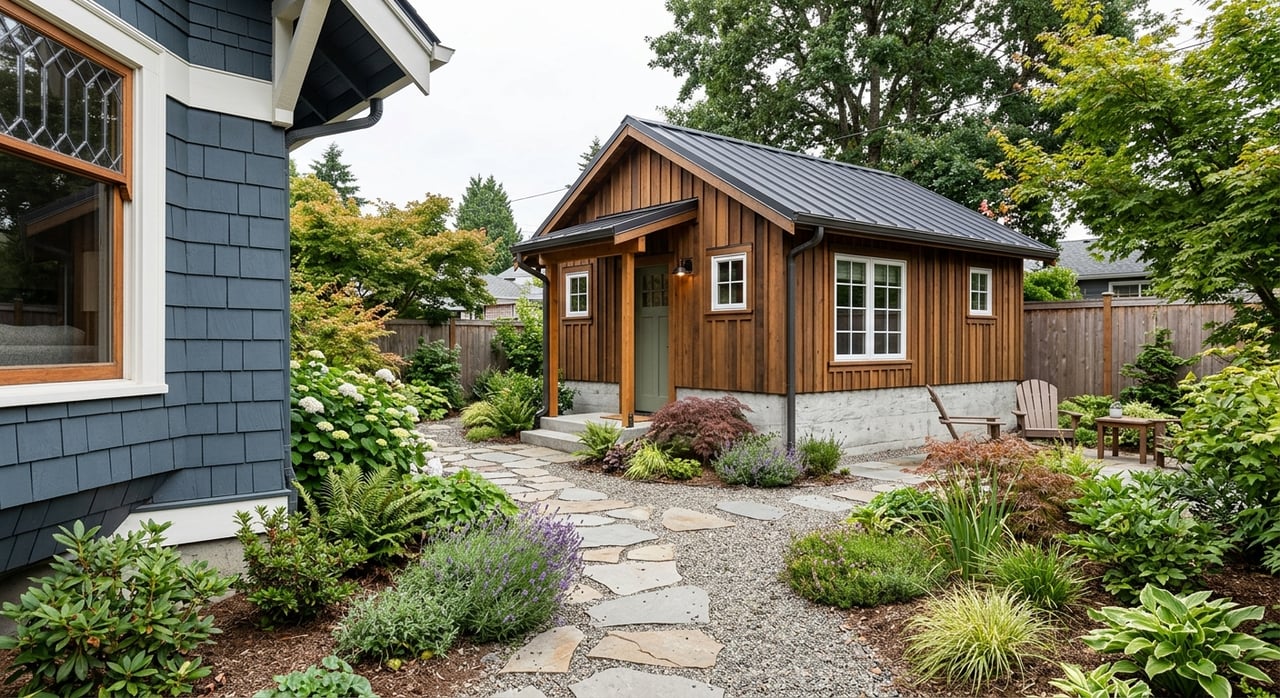
If you are adding space, keep new massing subordinate to the main house and step additions back from the street elevation. Respect established setbacks and the rhythm of neighboring facades. The goal is a clear hierarchy where the original form still leads.
Work that is visible from public ways can trigger extra review steps even if it falls under certain thresholds. A quick call with city staff or an Early Assistance request can clarify your path and reduce surprises.
Landscape and streetscape care
The neighborhood’s character lives in the streetscape as much as the houses. The roses in the diamonds, the elms, and the wide planting strips all shape how your block feels. If your project touches the front yard or parking strip, consider how new plantings, fencing, or paving will read from the street.
Local volunteer groups actively steward the rose gardens and the elm canopy. Coordinating your plant choices and maintenance with community standards supports the shared landscape that makes Ladd’s Addition unique.
Permits, incentives, and ROI overview
Here are quick notes to help you budget and stay compliant.
Permit triggers to expect
- Building permits are required for structural changes, additions, new window or door openings, and most electrical, mechanical, and plumbing work.
- Like‑for‑like repairs may be exempt in some cases, but structural changes always require permits. Visible exterior work may also require a design or historic review. Confirm your path on the Portland BDS permits page and check your property record at PortlandMaps.
Energy incentives to watch
Oregon’s Home Energy Rebate Programs and heat pump incentives are in motion, with statewide rollout for certain rebates targeted for spring to summer 2026. Program windows and stacking rules can change. Before you budget, confirm current availability and approved contractors on the Oregon Department of Energy rebate page.
Safety and disclosure in older homes
- Lead paint is common in pre‑1978 homes. Federal rules require disclosures at sale or lease, and renovation work must follow lead‑safe practices. Learn more on the EPA lead disclosure and RRP page.
- Asbestos may be present in older materials. Testing and documentation can be required before renovation or demolition, and special disposal rules apply. See Metro’s asbestos testing guidance.
Hire the right pros
Verify that your contractor holds an active license, insurance, and bonding through the Oregon Construction Contractors Board. Ask for examples of work in historic homes, especially for window restoration, porch repair, and masonry.
Resale context for Ladd’s Addition
Buyers here care about craftsmanship and period‑appropriate materials. If you plan to sell, prioritize water management, system safety, comfort upgrades like insulation and air sealing, and modest kitchen or bath refreshes. National benchmarks show those project types often recoup more of their cost than high‑end additions, while also keeping historic character intact. You can explore current recapture ranges at Cost vs Value.
Quick start checklist
- Confirm your property’s status and permit history on PortlandMaps.
- Read the Ladd’s Addition district guidelines to understand what to preserve.
- Schedule a systems inspection and screen for lead and asbestos before any demolition.
- Get an energy audit to prioritize air sealing, insulation, and HVAC.
- Float exterior ideas with city staff for early feedback before you submit.
- Verify contractor licensing and insurance on the Oregon CCB site.
- Apply for permits, then keep a tidy record of approvals, plans, and photos for resale.
Work with a local guide
You can update a Ladd’s Addition home without losing what makes it special. It takes a plan, a clear read on the rules, and a crew that respects historic details. If you are weighing updates with an eye toward resale, or you want a sanity check on budget and sequence, reach out. You will get direct, owner‑led guidance, clear next steps, and a practical read on market impact. Connect with Devin Arthurs to talk strategy for your home.
FAQs
Can I replace Ladd’s Addition windows with vinyl?
- Repairing original wood sashes plus adding storms is the preferred path for performance and preservation. If you must replace, match the original opening size, sash proportions, and profiles, and check permit needs first.
Do Ladd’s Addition rules control interior remodels?
- Interior work is typically not reviewed by Landmarks. Structural changes that alter the exterior or footprint can trigger permits or design review. Confirm your plan with Portland Permitting & Development before you start.
What upgrades give the best resale return here?
- Fix water and structure, improve comfort with air sealing and attic insulation, then do modest, well‑planned kitchen and bath updates. High‑end expansions often recoup less than targeted midrange work.
Should I hire a preservation architect for additions?
- For visible exterior changes or additions, a preservation‑experienced architect or contractor can help you design compatible massing and details that align with the Secretary of the Interior’s Standards, reducing review friction.