Multiple offers are back across SE Portland, and you may be asked to “cover the appraisal gap” to win a Mt. Tabor home. That phrase can feel vague until you see the numbers. You want to compete without taking on unnecessary risk. This guide breaks down how appraisal gap coverage actually works in Oregon, how lenders calculate your cash, and how to use realistic Mt. Tabor examples to make a confident decision. Let’s dive in.
Appraisal gap coverage, explained
Appraisal gap coverage is a promise in your offer to bring extra cash to closing if the lender’s appraisal comes in below the contract price. It is not a different kind of loan. It is your own funds used to bridge the difference between the agreed price and the appraised value.
Why this matters: lenders base your loan on the lower of the contract price or the appraised value. If the appraisal is lower, the lender reduces the loan amount to match the permitted loan-to-value. To close at the original price, you must add cash equal to the shortfall, or negotiate a price reduction with the seller.
In competitive offers, you might see:
- A capped gap clause where you agree to cover up to a set dollar amount.
- A full appraisal contingency waiver. This is higher risk and should be used only if you are comfortable covering the entire shortfall.
- A split-gap where you cover the first portion and the seller agrees to adjust price for any remainder.
How lenders calculate your cash need
Lenders set the maximum loan amount using the appraised value and your approved loan-to-value. Your “planned” loan based on the contract price can only hold if you bring extra cash when the appraisal is short.
Here is the step-by-step math using a simple, hypothetical example:
- Contract price: 700,000
- Appraised value: 680,000
- Planned down payment: 20 percent of contract price
Calculations:
- Planned loan if based on price: 80 percent of 700,000 = 560,000
- Lender’s loan based on appraisal: 80 percent of 680,000 = 544,000
- Appraisal shortfall you must add to keep the planned loan = 560,000 − 544,000 = 16,000
Your total cash to close becomes your planned down payment plus the appraisal shortfall plus closing costs. If you would rather not add cash, your options are to renegotiate price or accept a higher overall cash requirement with a lower loan amount.
Quick formulas you can use
- Planned loan = Contract price × (1 − Down payment percent)
- Lender loan based on appraisal = Appraised value × (1 − Down payment percent)
- Appraisal shortfall to keep the planned loan = Planned loan − Lender loan based on appraisal
The step-by-step method is usually the clearest way to see your exact numbers.
Notes by loan type
- Conventional loans: Your lender will always base loan-to-value on the appraised value. If you planned a larger down payment, you may be able to reallocate funds to cover a gap.
- FHA loans: FHA appraisals include minimum property requirements and stricter underwriting. Shortfalls commonly trigger renegotiation and required repairs may need completion before closing.
- VA loans: The VA appraisal sets a value ceiling for VA financing, similar to FHA mechanics. Shortfalls often require a new plan or concessions.
- Cash purchases: No loan means no lender gap. Your risk is paying above appraised value, not qualifying for financing.
Mt. Tabor examples: hypothetical scenarios
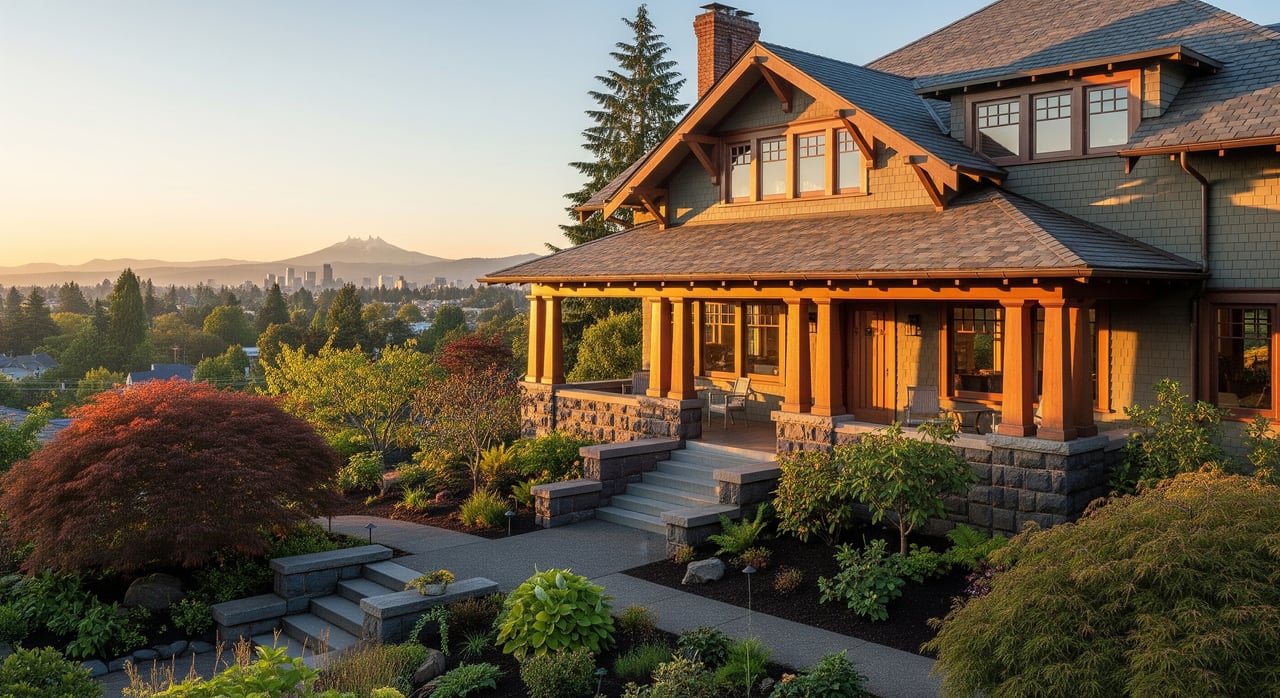
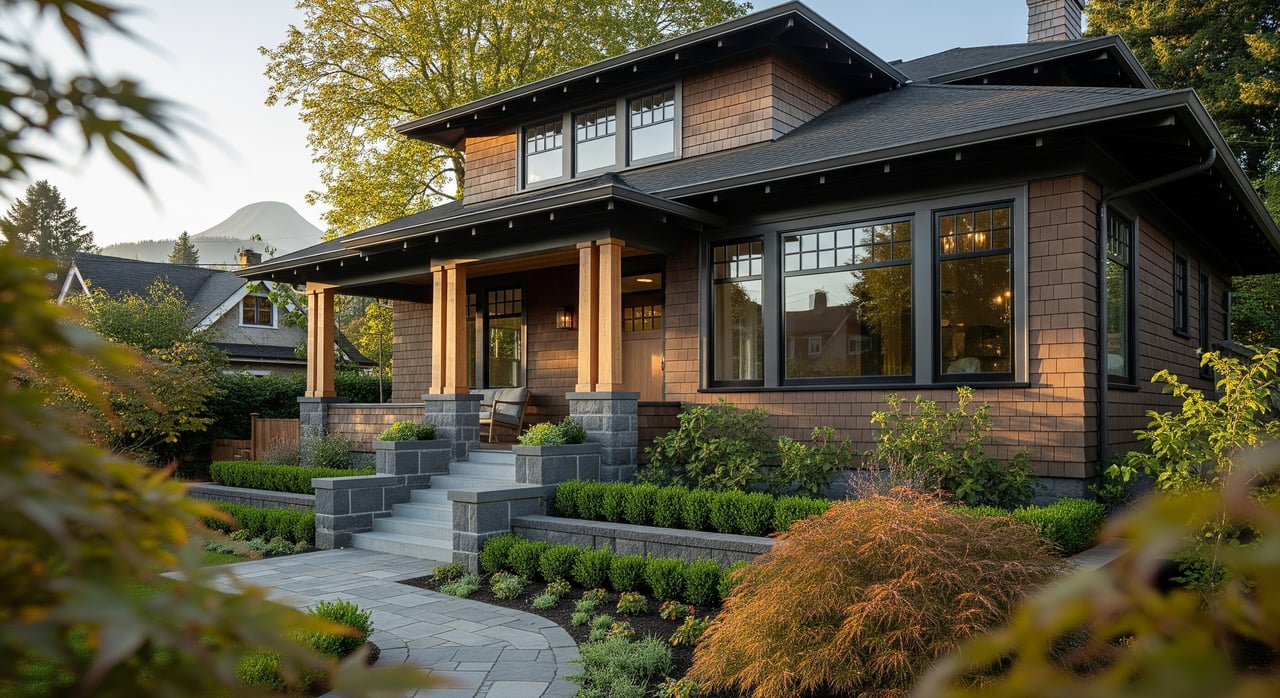
Mt. Tabor and nearby SE Portland neighborhoods have many early 1900s homes with a mix of original character and modern updates. Proximity to Mt. Tabor Park, views, ADUs, and quality renovations can drive premiums that sometimes outpace recent sales. That is where appraisal gaps tend to show up.
Illustrative scenario, not actual sold data:
- Contract price offered: 825,000
- Appraised value: 800,000
- Planned down payment: 10 percent (conventional, 90 percent loan-to-value)
Calculations:
- Planned loan based on price: 90 percent of 825,000 = 742,500
- Lender’s loan based on appraisal: 90 percent of 800,000 = 720,000
- Appraisal shortfall to keep the planned loan: 22,500
Decision paths:
- Pay the 22,500 out of pocket to keep your planned loan structure.
- Ask the seller to reduce price to 800,000. In multiple-offer situations, sellers may decline.
- Negotiate a split-gap, for example you cover 10,000 and the seller reduces by 12,500.
- Cancel if you kept an appraisal contingency and do not want to cover the gap.
When to use or avoid gap coverage
Gap coverage can be a smart tool in a hot market, especially for homes near Mt. Tabor Park, hillside lots with views, or properties with strong upgrades where demand is intense. If you have the cash and the home fits long-term goals, absorbing a measured gap may make sense.
Consider limiting or avoiding gap coverage if you rely on low cash reserves, your monthly payment is already at the top of your comfort zone, or you are using a loan program with stricter appraisal rules. Properties with highly unique updates or limited nearby comparables also carry higher appraisal risk.
Ways to limit risk in your offer
You can make a competitive offer while controlling exposure. Here are practical structures to discuss with your agent and lender:
- Cap the gap. State a clear dollar limit you will cover if the appraisal is short.
- Split the gap. Offer to cover the first portion and ask the seller to adjust price for any remainder.
- Use conditional waivers. Waive the appraisal contingency only up to a defined shortfall.
- Keep the appraisal contingency but shorten the timeline. This speeds up resolution while protecting you.
- Increase down payment rather than promising unlimited funds. This gives the lender clarity on where funds come from.
- Prepare for a reconsideration of value. If the appraisal misses strong comps or contains errors, you can request a review with additional evidence. Success varies and depends on the quality of the data you provide.
How to build Mt. Tabor comps
A thoughtful comp set is the best way to gauge appraisal risk before you make an offer. For Mt. Tabor-style homes, focus on these criteria:
- Time: sales from the last 3 to 6 months, preferably within 90 days when activity is fast.
- Location: within 0.25 to 0.5 miles when possible. Stretch to 0.75 to 1.0 miles only if you must and note adjustments.
- Physical characteristics: same occupancy type, similar beds and baths, living area within about 10 to 15 percent, similar lot size, and comparable condition and age.
- Site features: look closely at view exposure, slope, and distance to Mt. Tabor Park.
- Adjustments: document dollar adjustments for condition, finished basements, garages, ADUs, and high-impact upgrades like kitchens and baths.
Illustrative workflow:
- Define the subject: for example, a 1920 craftsman, about 1,800 square feet, 3 bed and 2 bath, updated kitchen, on a 4,000 square foot lot near the park.
- Pull three recent solds within 0.5 mile and 90 days with similar size and bed/bath count.
- Adjust for condition differences, finished lower levels, garage presence, ADUs, and view.
- Reconcile a value range and weigh the most comparable sales. The closer the comps, the lower your appraisal risk.
Local nuance: if your target home backs to the park or has a view, make sure at least one comp captures that feature. If not, expect the appraised value to reflect a smaller premium than the market may pay in a bidding war. Permits and documented renovation quality also matter, so gather records and invoices to support value.
Pre-offer checklist for SE Portland buyers
- Ask your lender for a written scenario: if the appraisal is lower by a specific amount, how will your loan change, and what proof of funds will they require?
- Decide your maximum appraisal gap in dollars and as a percent of price. Write it down.
- Get a pre-offer valuation: a comparative market analysis from your agent and, if needed, a fee-based desktop or exterior opinion from an independent appraiser.
- Gather documentation of funds, including statements and gift letters if applicable. Have these lender-ready.
- Confirm any loan program constraints and overlays, especially for FHA, VA, jumbo, or investor loans.
Questions to ask your lender and your agent
- To your lender: If the appraisal comes in at a specific value, what will my approved loan amount be, and what reserves or extra documentation do you need?
- To your agent: Which recent comps support our offer price, and how do they adjust for view, park proximity, and renovations?
- To an appraiser you engage for a pre-offer check: Can you provide a desktop or exterior valuation to flag potential appraisal issues before we submit?
Next steps
Appraisal gap coverage is not a trick clause. It is a cash decision tied to your goals, your loan, and the strength of local comps. When you understand the math and frame your offer with clear limits, you can compete in Mt. Tabor with confidence and protect your downside.
If you want help running your numbers, structuring a capped gap, or building a Mt. Tabor comp set before you bid, connect with Devin Arthurs for a straightforward, owner-led consultation.
FAQs
What is appraisal gap coverage in Oregon?
- It is your written promise to add cash at closing if the appraised value is below the contract price, so your loan terms can stay intact and the deal can close.
How do lenders set my loan if the appraisal is low?
- They base the loan on the appraised value, not the contract price. To keep your planned loan, you must bring cash equal to the shortfall calculated by your loan-to-value.
Does covering a gap change my interest rate or payment?
- Your rate does not change because of a gap. Your payment changes only if your final approved loan amount changes compared to your original plan.
Should I waive the appraisal contingency in Mt. Tabor?
- Only if you can safely afford the full potential shortfall. A conditional or capped approach usually balances competitiveness with risk control.
Can I challenge a low appraisal on a SE Portland home?
- Yes. You can request a reconsideration of value with stronger comps or corrections. Outcomes vary and depend on the quality of evidence you provide.