Torn between a condo near Division and a classic Craftsman in Ladd’s Addition? You are not alone. Choosing the right home type in Hosford‑Abernethy comes down to budget, maintenance tolerance, outdoor space, and financing. This guide breaks down real numbers, ownership tradeoffs, and local rules so you can pick the best fit for your lifestyle. Let’s dive in.
Hosford‑Abernethy at a glance
Hosford‑Abernethy sits in inner Southeast Portland between Hawthorne and Powell, with the Willamette River to the west. Its historic heart is Ladd’s Addition, known for tree‑lined diagonals and rose gardens. You will find early 20th‑century homes mixed with small infill, condos, and townhomes near the Division and Hawthorne corridors. Explore a neighborhood overview and lifestyle highlights on the local guide for Hosford‑Abernethy. Devin’s neighborhood guide offers a quick snapshot.
The area is highly walkable and bike‑friendly. Many buyers choose it for café culture, short commutes, and fast access downtown via the Hawthorne Bridge. Blocks vary, so it helps to walk the street at different times to see parking patterns and daily rhythm.
What your budget buys in 2026
Market conditions change, but here is the current picture based on recent listings and neighborhood summaries through early 2026:
- Condos: about $300,000 to $450,000 for many 1–2 bedroom units near Ladd’s Addition and Division. HOA dues often run about $285 to $400 per month, which affects your monthly cost.
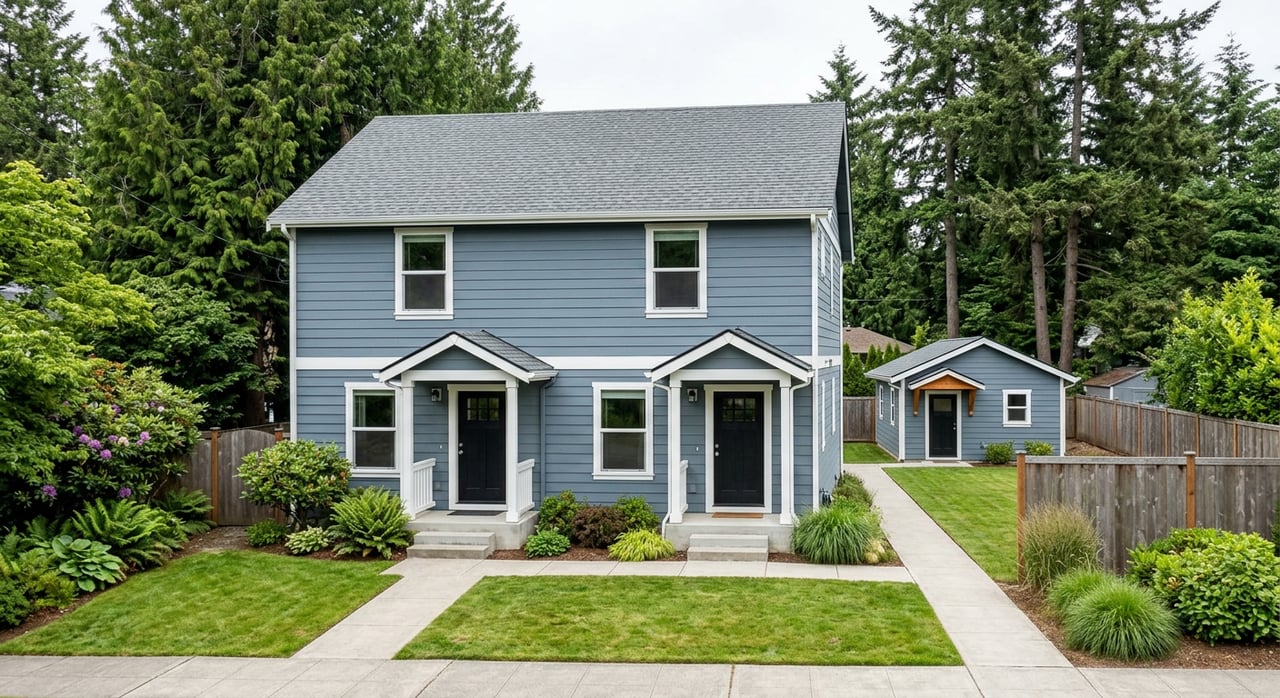
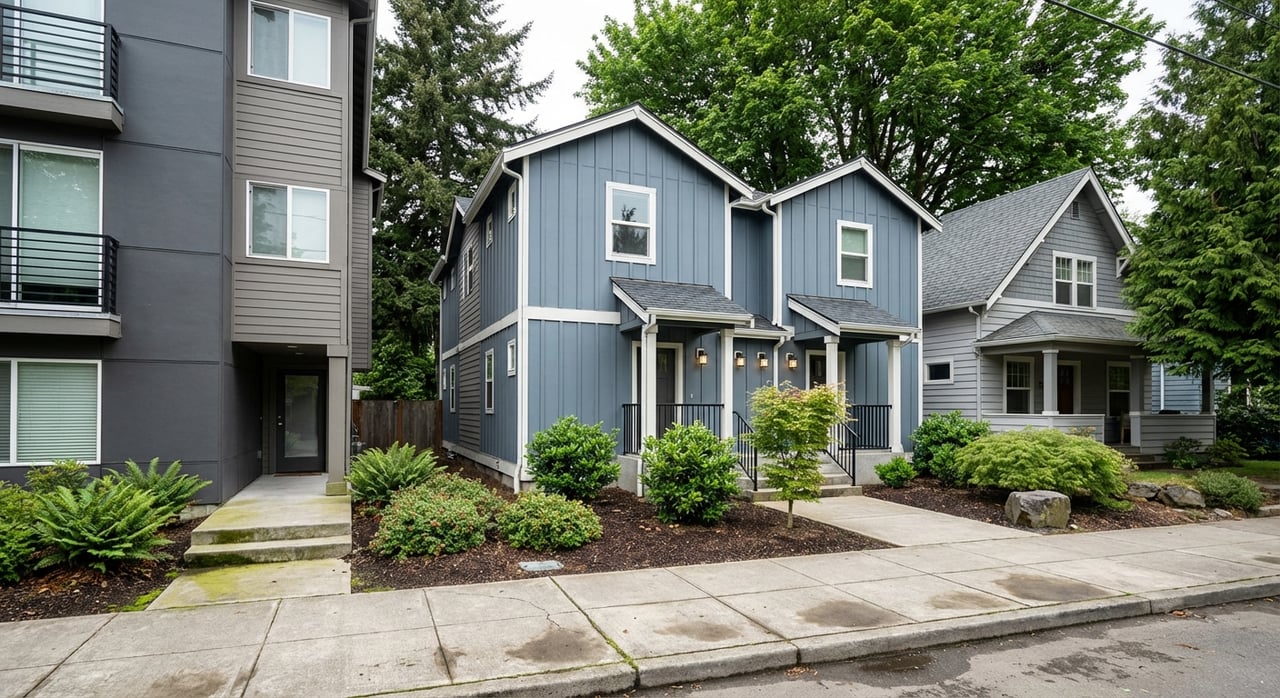
- Townhomes: typically mid $600,000s to upper $700,000s for newer attached options close to commercial corridors.
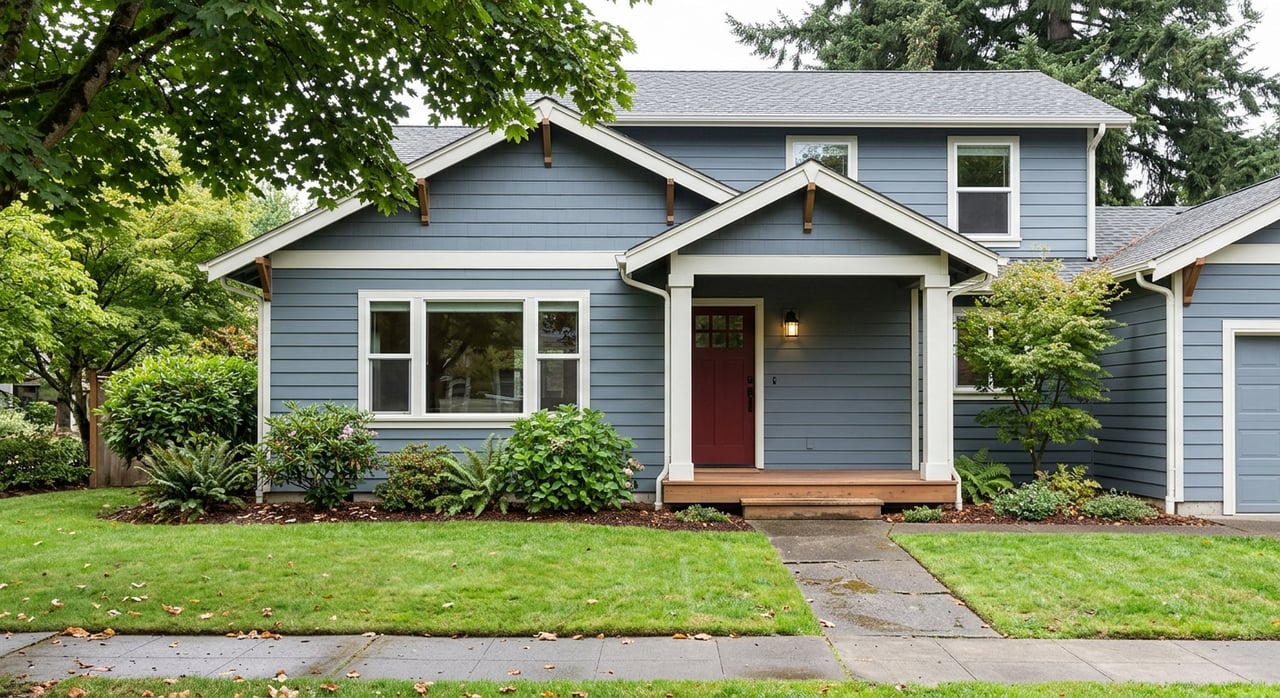
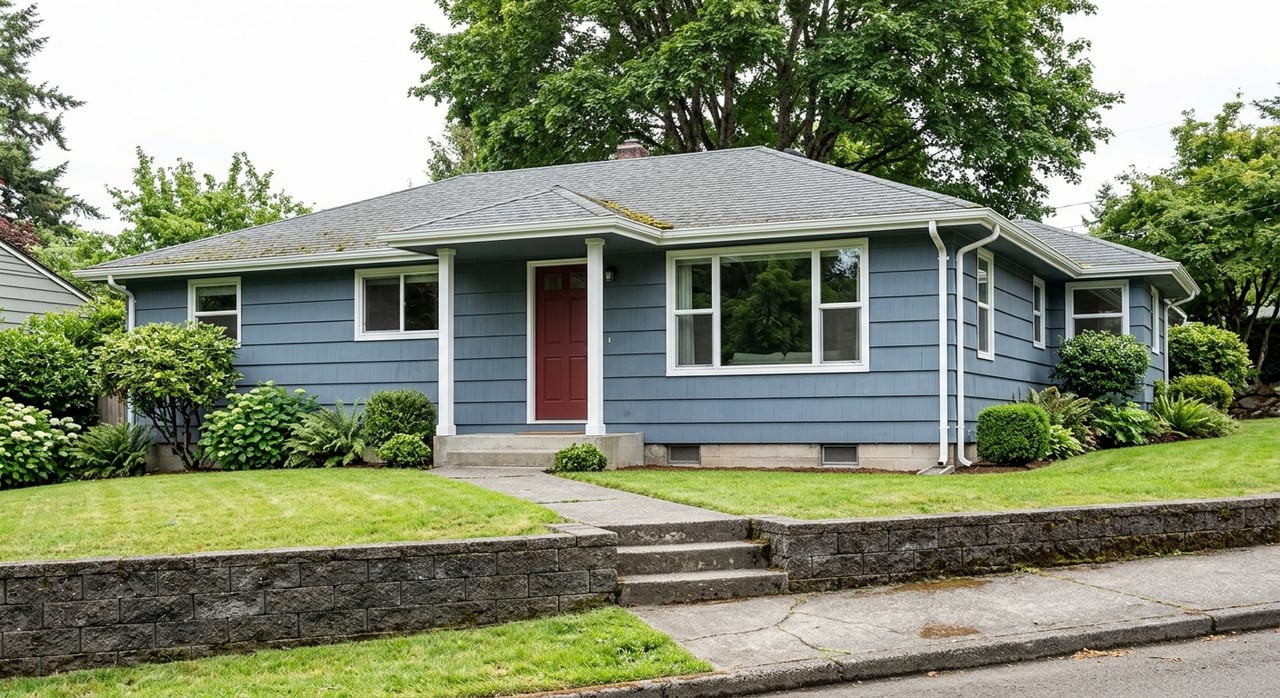
- Detached houses: wide range from about $600,000 to $1.5 million plus, depending on size, condition, and exact block. Ladd’s Addition often trends to the higher end due to historic homes and larger lots.
As of January 2026, local neighborhood summaries reported a median sale price around the mid $700,000s. Inner SE remains desirable, and while Portland saw some softening in 2025, you may find more room to negotiate than during the 2020 to 2022 run‑up. Always review block‑level comparable sales before you write an offer.
Ownership tradeoffs: condo, townhome, or house
Condos: low maintenance, shared costs
If you want a lock‑and‑leave lifestyle and value location over yard space, a condo can make sense. Associations usually cover exterior maintenance, roof, siding, landscaping, and common areas. Owners pay monthly HOA dues and carry an HO‑6 policy to insure interior finishes, personal property, and liability. For a quick refresher on the insurance differences, see this overview of home insurance types and HO‑6 coverage. Review HO‑6 vs HO‑3 basics.
Confirm exactly what the master policy covers and the deductible amount. Large deductibles can result in owner assessments after a loss. Consider adding loss‑assessment coverage to your HO‑6.
Townhomes: know the legal form
“Townhome” describes the style, not the legal structure. Some townhomes are legally condos, which means shared ownership of common elements. Others are fee‑simple homes in a planned community where you own the land, and the HOA manages limited common areas. Your maintenance duties and insurance depend on the legal form and the CC&Rs. Ask whether the property is a condo, a planned community, or fee simple, then read the documents. Oregon’s Planned Community Act highlights how these communities are structured.
Detached houses: maximum control, more upkeep
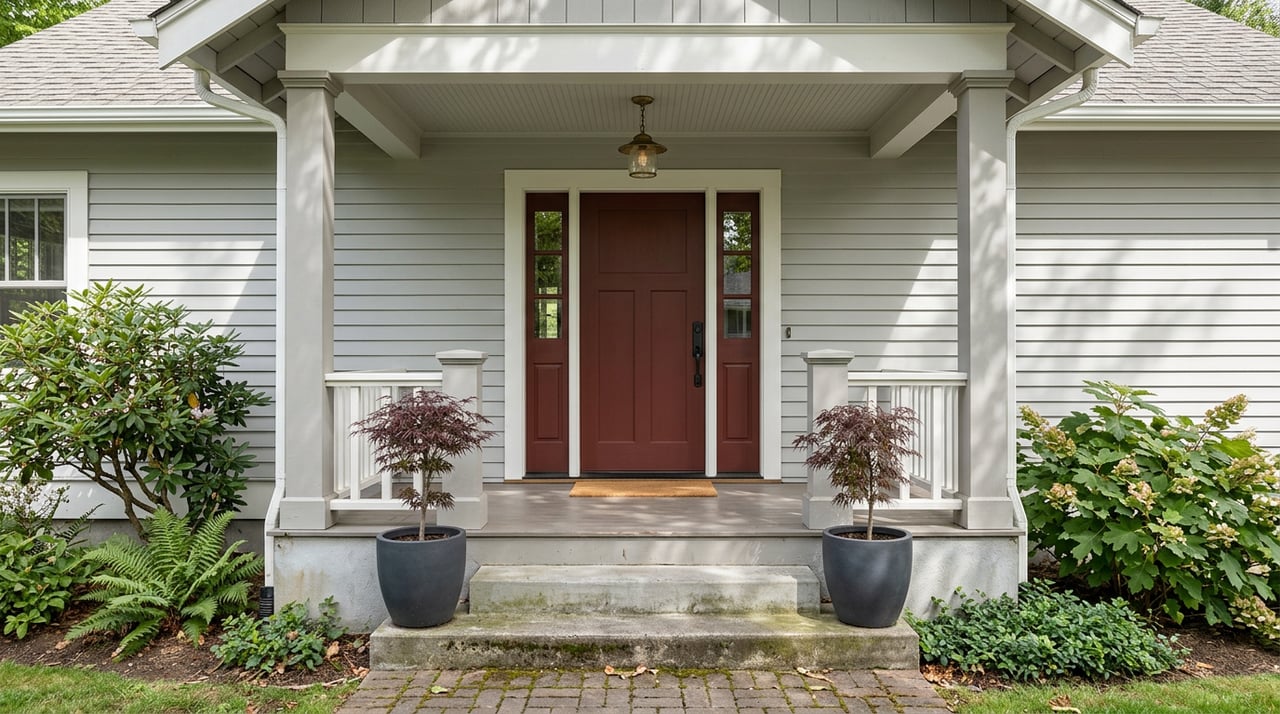
With a house, you control the exterior, yard, and most improvements, and you skip monthly HOA dues. You also take on full maintenance for roof, siding, drainage, and systems. In historic districts like Ladd’s Addition, visible exterior changes may need review before you proceed. For context on how Portland treats historic exteriors, see this overview on local historic designations. Learn how historic status can affect exterior work.
Financing and resale: condo rules that matter
Lenders often review condo projects to confirm eligibility. If a project is non‑warrantable due to high HOA delinquencies, pending litigation, or too much commercial or short‑term rental use, your financing options may narrow or cost more. Conventional and government‑backed loans use project standards to gauge risk. Review Fannie Mae’s condo, co‑op, and PUD eligibility framework.
FHA loans require project approval or single‑unit approval. If you plan to use FHA or VA, check approval status early because it affects both your purchase and future resale. See HUD’s page on condominium approvals.
ADUs, zoning, and historic review
Portland broadly allows accessory dwelling units in many residential zones, which can add flexibility for income or multigenerational living. If you plan an ADU, exterior remodel, or new parking, confirm zoning and permit rules before you buy. Properties within a historic or conservation district may need historic resource review for visible changes. Read about the Residential Infill Project Part 2 and how it shapes larger residential options.
Also check for nearby city infrastructure work, such as green street or sewer projects, since these can affect your block and future assessments. Review current project information for Ladd’s Addition and inner SE.
Quick decision guide
Use these filters to match your priorities to the right home type:
- Budget: If you want to stay near Division and Hawthorne at a lower price point, condos often offer the most access for the dollar. Watch the HOA dues, since they change the monthly total.
- Maintenance tolerance: Prefer to skip yard care and exterior upkeep, and focus on location and convenience. A condo fits. Want some space with shared exterior duties. A townhome may work. Want full control of what you improve and plant. A house is best.
- Outdoor space: Need a private yard for gardening, pets, or play. Lean house or fee‑simple townhome. OK with a balcony or shared courtyard. A condo works.
- Financing flexibility: Using FHA or VA, or want broad resale appeal to those buyers. Confirm condo project approval early. Fee‑simple homes usually face fewer project hurdles.
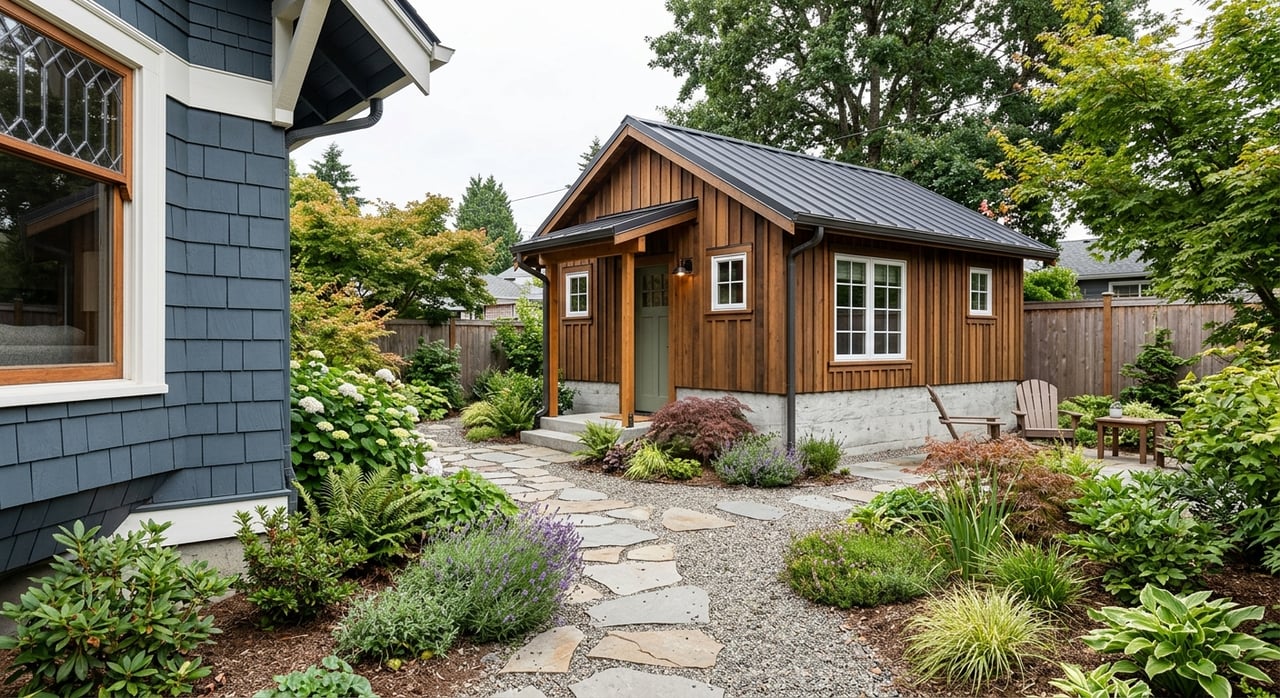
- Long‑term plan: If you might add an ADU, a detached house gives you the most options, subject to zoning and possible historic review.
How to read HOA financials and rules
When you buy a condo, or a townhome that is legally a condo, request the full HOA packet. Focus on items that impact risk and future costs:
- Reserve study and current reserve balance. Is there a plan and budget for big items like roofs and siding.
- Budget and year‑to‑date financials. Do dues appear sufficient for operating and reserves.
- Delinquency rate for dues. Higher delinquency can affect cash flow and lending options.
- Special assessments. Ask about any recent or upcoming assessments.
- Insurance certificate and master policy. Confirm coverage, perils, and the deductible amount.
- Meeting minutes for the last 6 to 12 months. Look for repeated issues or capital needs.
For lending criteria that may affect your loan and future resale, check the project standards most lenders use. Review Fannie Mae’s condo and PUD eligibility basics.
Due‑diligence checklists
If you are buying a condo or a townhome that is a condo
- Request declaration, CC&Rs, bylaws, rules, budget, reserve study, insurance certificate, and meeting minutes.
- Ask for delinquency data, special assessments, and any litigation details.
- Confirm whether the project meets common lending standards or needs a full review. See how lenders evaluate condo projects.
If you are buying a townhome in a planned community or fee‑simple attached home
- Confirm whether you own the land and who maintains the roof, siding, and driveways.
- Read CC&Rs for parking and rental rules. Reference Oregon’s planned community framework.
If you are buying a detached house
- Order a full home inspection that covers structure, roof, foundation, drainage, and systems.
- Check Portland permit history and any historic or conservation overlays that affect exterior work.
- Review the Oregon Seller’s Property Disclosure and factor near‑term capital needs into a 5 to 10 year plan. See the Oregon disclosure form reference.
All buyers in Hosford‑Abernethy
- Walk the block at different times, note parking, traffic, and noise.
- Look at block‑level comps and days on market, not just neighborhood medians.
- Verify routes and transit that matter to your daily life.
- Check for nearby city projects that could affect access or future costs. See the city’s green street and sewer project page.
What this means for you
If your top goals are location, low maintenance, and a lower entry price, a condo near Division or Hawthorne likely fits, provided the HOA is well‑run and financeable. If you want more space and some private outdoor area without full exterior responsibility, a townhome can hit the sweet spot, but confirm the legal form and responsibilities in writing. If you want the most control, privacy, and potential for an ADU, a detached house in or near Ladd’s Addition delivers, with higher maintenance and possible historic review for exterior changes.
If you want a candid, local sounding board, reach out to Devin Arthurs for a free market consultation. You will get owner‑led guidance, clear next steps, and real numbers so you can move forward with confidence.
FAQs
What are typical HOA dues for condos in Hosford‑Abernethy in 2026?
- Many recent condo listings show dues in the ballpark of $285 to $400 per month, which can include exterior maintenance, water, trash, and common area care.
How do condo master insurance and HO‑6 policies work for owners?
- The association’s master policy usually covers the building exterior and common areas, while your HO‑6 policy covers interior finishes, contents, liability, and can include loss‑assessment coverage.
Are townhomes always lower maintenance than detached houses?
- Often, but it depends on the legal form and CC&Rs. Some townhomes are condos with shared exterior duties, while fee‑simple attached homes may leave roof and exterior care to the owner.
Can I add an ADU to a house in Ladd’s Addition?
- Portland broadly allows ADUs, but homes within historic districts may need historic resource review for visible exterior changes, so confirm rules before planning work.
How do I check if a condo is eligible for conventional or FHA financing?
- Ask your lender to review project eligibility under common standards and confirm if the building has FHA approval or qualifies for single‑unit approval early in the process.
What block‑level checks should I do before writing an offer?
- Walk the block at different times, review nearby comps, verify parking realities, and check for city projects that could affect access or future assessments.