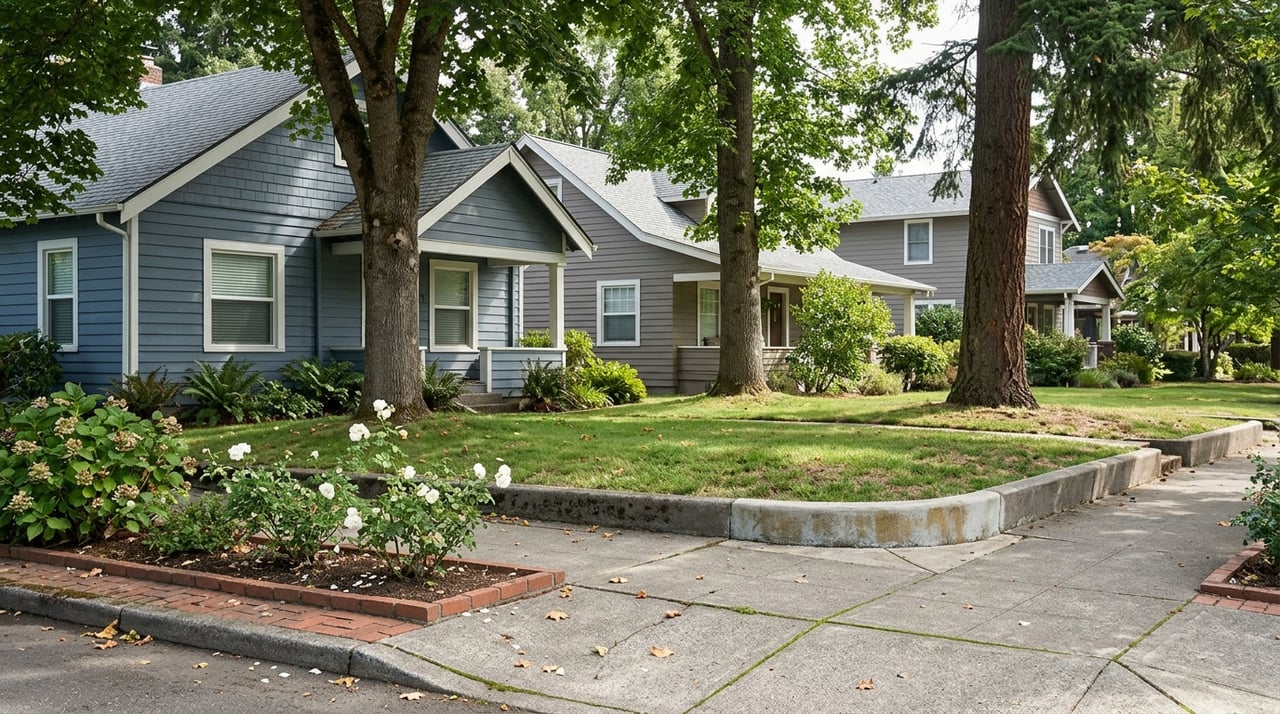
Curious why Ladd’s Addition feels so unlike the rest of Southeast Portland? You are not imagining it. From the moment you enter the neighborhood, the diagonal streets, mature trees, central circle, and rose gardens create a setting that feels more tucked away and park-like than the surrounding grid. If you are thinking about buying, selling, or simply getting to know this historic Portland neighborhood, this guide will help you understand what makes Ladd’s Addition distinct. Let’s dive in.
What Makes Ladd’s Addition Unique
Ladd’s Addition is Portland’s oldest planned community, first platted in 1891. It is both a local historic district and a neighborhood listed on the National Register of Historic Places, with about 128 acres inside its boundaries.
The neighborhood sits between Hawthorne Boulevard to the north, Division Street to the south, and SE 12th and SE 20th avenues to the west and east. That location places it close to some of Southeast Portland’s best-known commercial corridors while still giving it a very different feel inside the neighborhood itself.
Why the Streets Feel Like a “Wagon Wheel”
The nickname comes from the layout. Instead of a standard city grid, William S. Ladd designed the neighborhood around a central park, diagonal streets, and four diamond-shaped rose gardens.
That radial pattern is one of the area’s defining features. Portland’s historic-design documents still identify the street system, service alleys, street trees, and formal gardens as core elements worth preserving.
This design changes how the neighborhood feels when you move through it. The diagonals and narrow streets break up traffic patterns, and the overall effect is calmer and more enclosed than many nearby Southeast Portland blocks.
Ladd Circle and the Rose Gardens
At the center of the neighborhood is Ladd Circle Park and Rose Gardens. The park covers about 1.62 acres at SE 16th Avenue and Harrison Street, giving the neighborhood a clear visual and social focal point.
The city reports that the gardens now include more than 3,000 roses across 60 varieties. That helps explain why the area feels so tied to Portland’s garden identity, even on an everyday walk or drive through the neighborhood.
The rose gardens also reflect the neighborhood’s community-minded upkeep. Portland Parks has a small maintenance crew for the site, and local volunteer support plays an important role in helping maintain the gardens.
A Tree Canopy That Changes the Experience
One reason Ladd’s Addition feels so different from surrounding areas is its tree cover. Portland describes it as the most heavily forested inner-city neighborhood in the city.
That dense canopy softens the streetscape and adds to the sense of separation from nearby commercial areas. Even though Hawthorne and Division are close, the interior of the neighborhood can feel quieter, greener, and more shaded.
For buyers, that often translates to a strong sense of place. For sellers, it is also a meaningful part of how the neighborhood presents in person, especially when paired with porches, gardens, and older homes with preserved architectural details.
How the Alley System Shapes Daily Life
Ladd’s Addition includes service alleys that split the blocks. This is not just a historic quirk. It changes how the streets function.
Because many homes use alley access, there are fewer driveway cuts and garage interruptions along the main street fronts. That creates a more continuous pedestrian experience and helps preserve the look of porches, landscaping, and mature street trees.
It also supports the neighborhood’s calmer feel. Combined with the diagonal layout, the alley system helps reduce the kind of straight-line cut-through traffic you often see in a typical grid neighborhood.
Home Styles You Will See in Ladd’s Addition
Ladd’s Addition developed from north to south over time, and that pattern still shows up in the housing stock. The northern blocks, closer to Hawthorne, generally filled first between about 1905 and 1915.
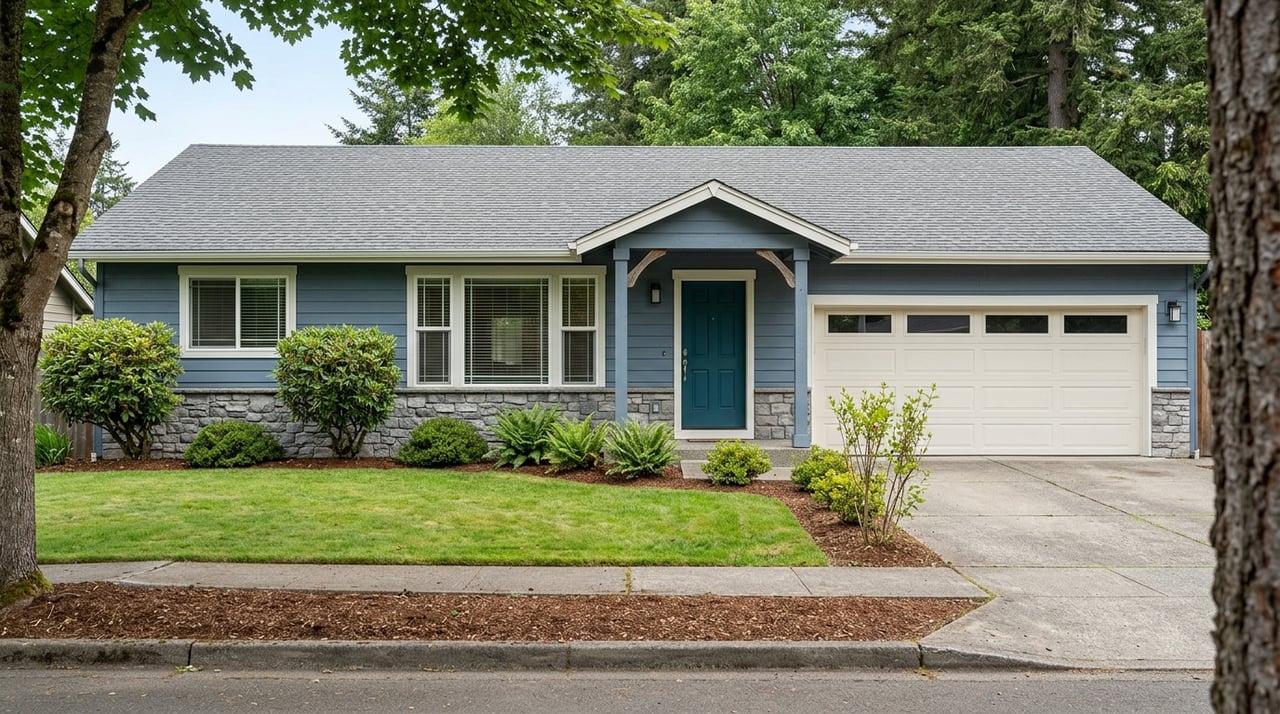
Those earlier sections tend to include larger houses. Farther south, many homes were built later in the 1920s and 1930s, which brought in more bungalow-era housing.
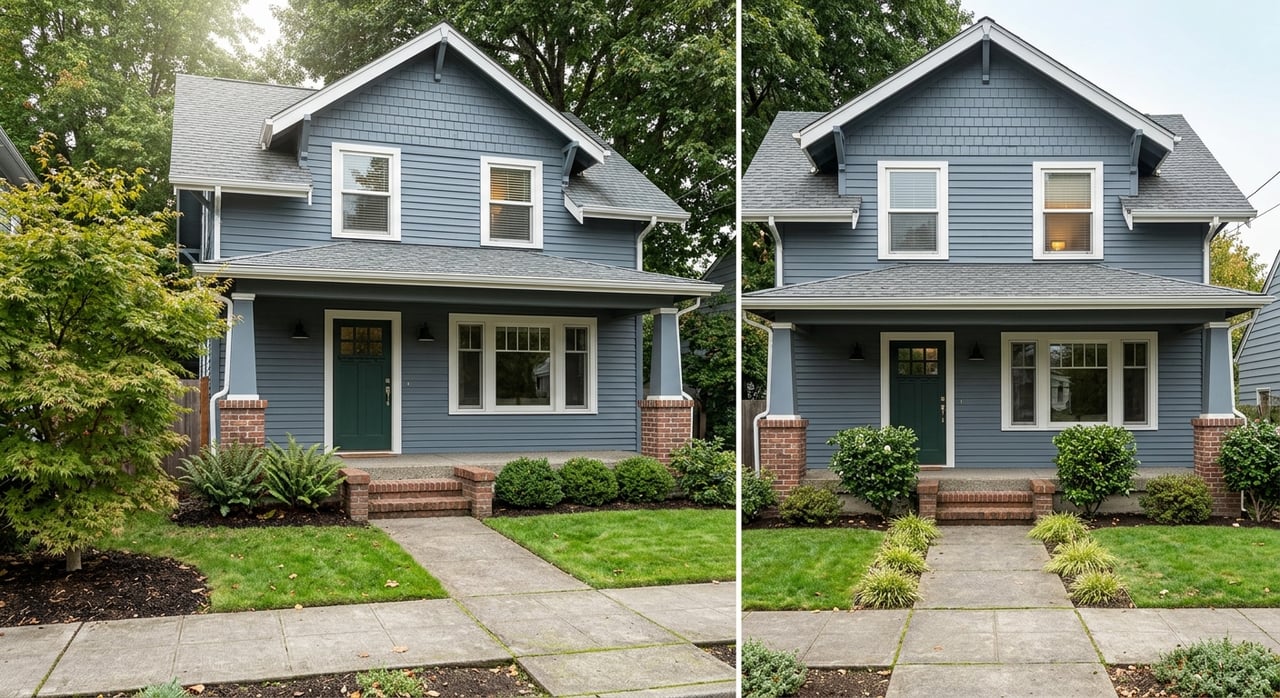
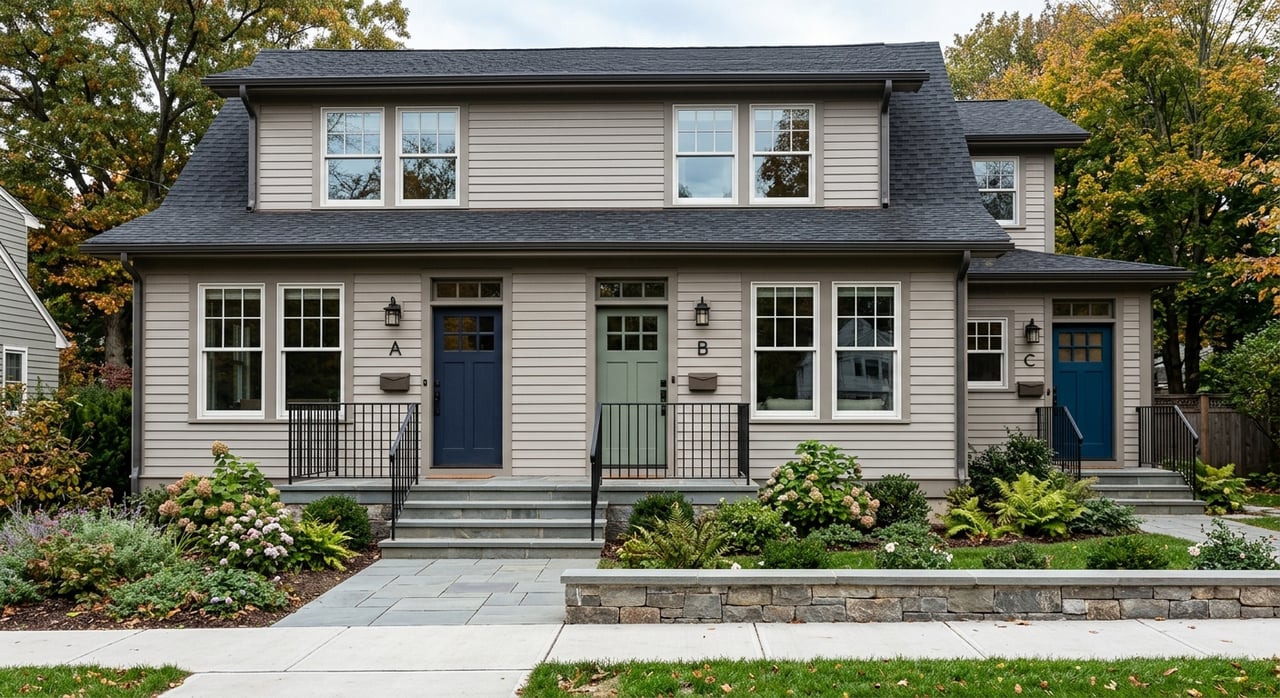
The district includes a mix of Craftsman, Craftsman Bungalow, and Colonial Revival homes, along with bungalow subtypes influenced by Colonial, Prairie, and English Cottage forms. You can also find examples of Tudor, Norman Farmhouse, and California Mission styles.
Across those styles, there are some recurring features:
- One to two-and-a-half-story homes
- Gabled or hipped roofs
- Front porches
- Weatherboard or stucco siding
- Noticeable craftsmanship in exterior details
If you are house hunting here, the appeal is often less about uniformity and more about architectural character within a consistent historic setting.
What It Feels Like to Live Here
Ladd’s Addition often appeals to people who want close-in Portland access without living on a busy arterial street. Hawthorne Boulevard and Division Street are both nearby, so many daily errands, dining options, and neighborhood stops are within a short walk of most homes.
At the same time, the interior blocks tend to feel more residential and less exposed to through traffic. According to the American Planning Association’s neighborhood profile, residents are often seen socializing on front porches or working in their gardens, which speaks to the neighborhood’s street-facing design and outdoor character.
That does not mean every block feels the same. Like many historic neighborhoods, small differences in location, lot orientation, traffic exposure, and house style can shape your day-to-day experience.
Why Historic Status Matters for Buyers and Sellers
Ladd’s Addition’s historic status is a big part of what protects its look and continuity. Portland lists it among the city’s historic districts and points to district-specific design guidelines for alterations and new construction.
For buyers, that can be a benefit if you value a neighborhood with a preserved street scene and a cohesive older-home character. For sellers, that consistency can support buyer interest from people specifically looking for a historic Portland setting.
It also means changes to homes may involve design considerations that are more specific than in a non-historic neighborhood. If you are evaluating a purchase or preparing a home for sale, it helps to understand how the neighborhood’s historic identity shapes both expectations and presentation.
What Buyers Should Pay Attention To
If you are considering a home in Ladd’s Addition, focus on both the house and the block. In a neighborhood like this, small location details can matter as much as square footage.
A few things worth studying closely include:
- How close the home is to Hawthorne, Division, or the central circle
- Whether alley access affects parking, garage placement, or outdoor space
- The home’s architectural style and period details
- The condition of exterior features such as porches, siding, and rooflines
- How the home fits into the surrounding historic streetscape
This is also a neighborhood where in-person context matters. The canopy, street rhythm, gardens, and layout are part of the value, and they are hard to fully understand from photos alone.
What Sellers Should Keep in Mind
If you are selling in Ladd’s Addition, presentation matters because buyers are often responding to a full neighborhood experience, not just the home itself. Character, setting, and visual continuity all shape first impressions.
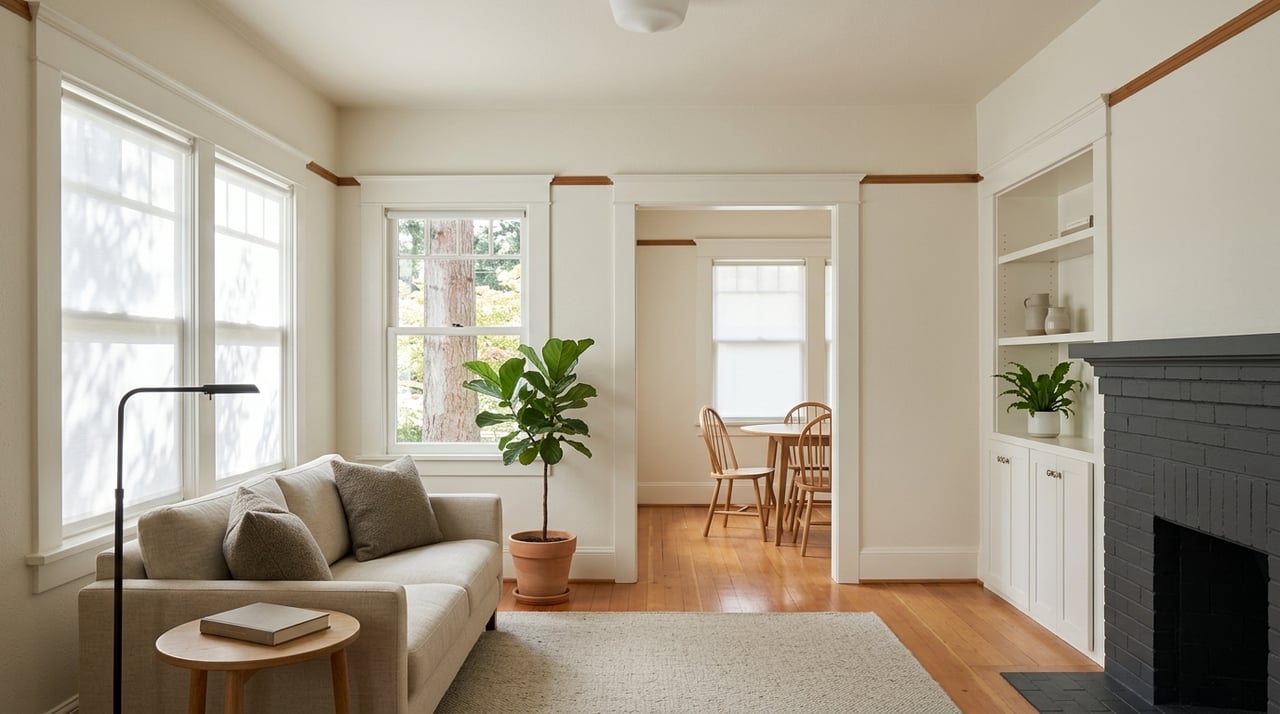
That makes strong listing preparation especially useful. Clear photography, thoughtful staging, video, and accurate property positioning can help buyers appreciate details like porch presence, natural light, architectural texture, and the relationship between the home and the neighborhood.
In a place with this much identity, generic marketing tends to miss the point. Buyers usually want to understand not only the home’s features, but also how it fits into the larger character of Ladd’s Addition.
Why Local Guidance Helps Here
Historic neighborhoods ask different questions than newer areas. Buyers may need help comparing block-by-block feel, home style differences, and tradeoffs between proximity to major streets and a quieter interior location.
Sellers may need a strategy that highlights the right details without overcomplicating the story. A calm, factual approach usually works best here because the neighborhood already has a strong identity. The goal is to frame the home clearly and let the setting do part of the work.
If you are exploring a move in Ladd’s Addition, working with a broker who understands Portland neighborhood dynamics, buyer expectations, and strong visual marketing can make the process simpler and more informed.
If you want practical guidance on buying or selling in Ladd’s Addition, Devin Arthurs offers direct, owner-led service with clear communication and modern marketing support.
FAQs
What is the Ladd’s Addition “wagon wheel” layout in Portland?
- Ladd’s Addition uses a radial street plan centered on Ladd Circle Park, with diagonal streets and four diamond-shaped rose gardens instead of a standard city grid.
Where is Ladd’s Addition located in Southeast Portland?
- Ladd’s Addition is bounded by Hawthorne Boulevard on the north, Division Street on the south, and SE 12th and SE 20th avenues on the west and east.
What types of homes are common in Ladd’s Addition?
- Common home styles in Ladd’s Addition include Craftsman, Craftsman Bungalow, Colonial Revival, and other bungalow-era styles, plus some Tudor, Norman Farmhouse, and California Mission examples.
Why does Ladd’s Addition feel quieter than nearby neighborhoods?
- The diagonal street layout, narrow streets, alley-supported parking pattern, and dense tree canopy all help reduce cut-through traffic and create a calmer interior feel.
Is Ladd’s Addition a historic district in Portland?
- Yes. Ladd’s Addition is a local historic district, one of Portland’s earliest historic conservation districts, and it is also listed on the National Register of Historic Places.