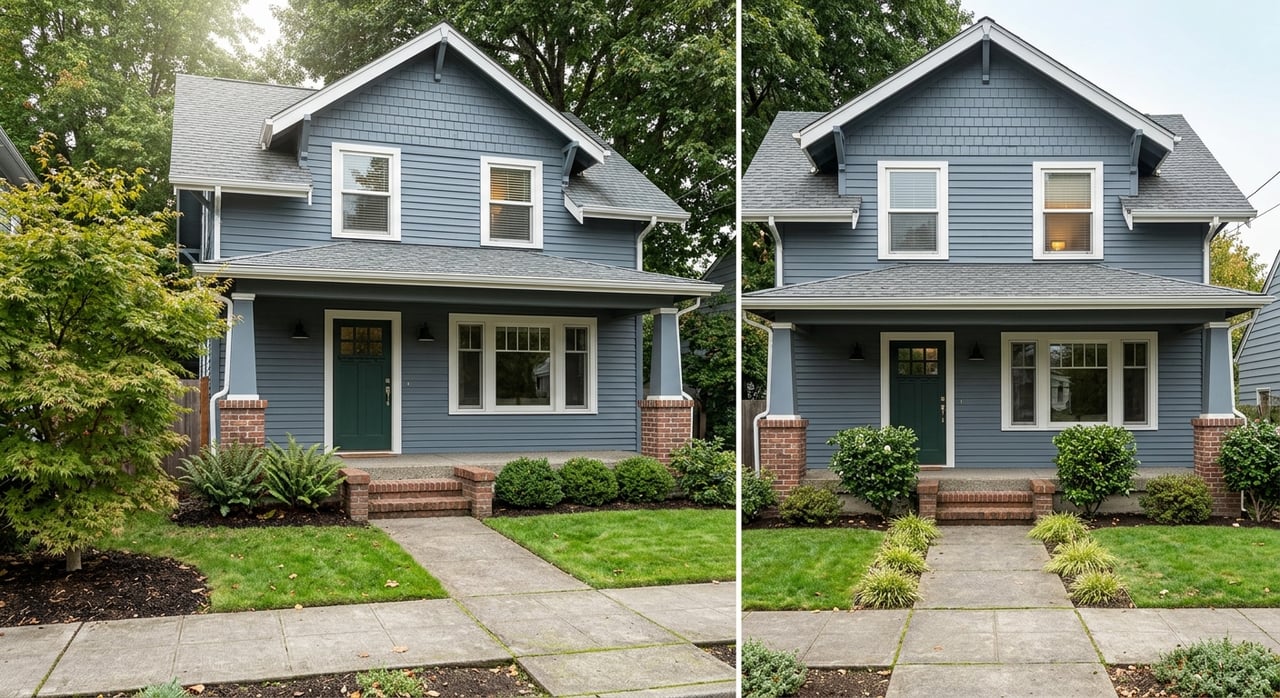
Wondering how to sell a home in Ladd’s Addition without tripping over historic-district rules or underselling what makes the property special? You are not alone. Selling here is different from listing a typical Portland home because buyers are evaluating both the house and its place within one of the city’s best-known historic settings. If you understand what buyers notice, what documentation matters, and how to present updates the right way, you can go to market with more confidence. Let’s dive in.
Why Ladd’s Addition stands apart
Ladd’s Addition is not just an older neighborhood with charming houses. City documents describe it as Portland’s oldest planned residential community, first platted in 1891, with a diagonal street pattern centered on park spaces and rose gardens. It sits between Hawthorne and Division and between 12th and 20th Avenues.
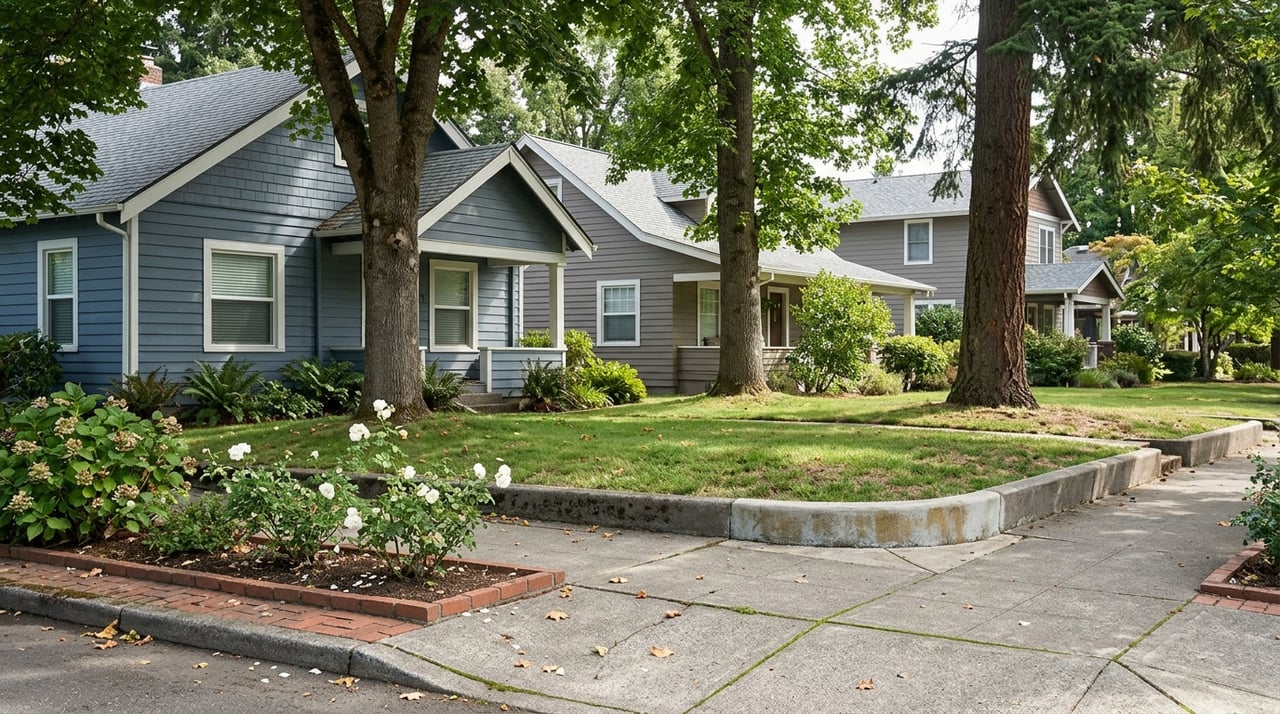
That layout shapes how buyers experience the area. The circular parks, the mature tree canopy, and the unusual street pattern create a setting that feels distinct from the surrounding grid. When buyers shop in Ladd’s Addition, they are often looking for that full historic environment, not just square footage or finishes.
Ladd Circle Park and Rose Gardens add to that appeal in a very visible way. Portland Parks says the grounds were formally landscaped in 1909 and now include more than 3,000 roses in 60 varieties. That landscape is part of the district’s identity, and it often influences how buyers value location within the neighborhood.
What buyers expect in a historic district sale
Most of the homes in Ladd’s Addition developed between 1905 and 1930. Portland’s conservation guidelines point to bungalow, Mission, Tudor, Colonial Revival, and related early 20th-century styles. Buyers tend to respond to homes that still show the materials, scale, orientation, and detailing that fit that period.
That does not mean your home has to be frozen in time. It means buyers usually want to see that updates respect the original character of the house. A kitchen may be modernized, for example, but the strongest impression often comes from exterior elements and visible details that still feel compatible with the home’s style.
This is one reason documentation matters so much in Ladd’s Addition. Buyers are not only asking what was updated. They are also asking whether the work fits the district and whether it appears to have followed the right review path.
Historic status affects how you sell
Ladd’s Addition became one of Portland’s first historic conservation districts in 1977 and was listed in the National Register of Historic Places in 1989. For sellers, that status is important because buyers often understand the area as a protected historic setting.
There is also a common point of confusion worth clearing up. The National Register listing itself does not create extra day-to-day local regulation for ordinary exterior work unless a tax-incentive program is involved. For most sellers and buyers, local city review is what matters.
Portland’s Historic Resource Review process can apply to exterior alterations, additions, new construction, demolition, and relocation in designated historic areas. In practical terms, that means buyers may ask whether prior projects required review and whether approvals were obtained.
Why past improvements deserve a closer look
Not every improvement is viewed the same way in a historic district. City decision materials for Ladd’s Addition show that work requiring a new foundation is reviewed under New Construction criteria, while work without a new foundation is reviewed under Exterior Rehabilitation criteria.
That may sound technical, but it matters in a sale. A buyer evaluating an addition, enclosed space, porch change, garage project, or other exterior work may want to know how it was built, not just what it looks like. The approval path can depend on the nature of the improvement itself.
If you have made exterior changes over the years, gather the paper trail early. That can help answer buyer questions before they turn into hesitation during inspections or negotiations.
What to gather before listing
A strong listing file helps historic-home sellers avoid delays and reduce uncertainty. Oregon’s real estate agency says a complete listing file should include the Seller’s Property Disclosure Statement, proof of ownership or signing authority, and supporting property information such as building and lot-size verification, zoning and flood-zone information, CC&Rs, and special-assessment records when applicable.
For a home in Ladd’s Addition, it also helps to gather records specific to historic properties and site features. The goal is to show buyers what changed, when it changed, and whether the city reviewed the work when required.
Here is a practical prep list:
- Seller’s Property Disclosure Statement
- Proof of ownership or signing authority
- Building and lot-size verification
- Zoning information
- Flood-zone information, if applicable
- CC&Rs, if applicable
- Special-assessment records, if applicable
- Prior permits for improvements
- Historic Resource Review decisions or approvals
- Contractor invoices
- Before-and-after photos of major work
- Documentation related to street trees, planting strips, or front-yard landscape changes
If your home has notable landscape features, tree history, or other historic documentation, keep that too. Portland’s Historic Resource Inventory tracks buildings, landscapes, trees, sites, places, and districts, so even older records can help support your listing story.
Repairs and inspections buyers notice most
Historic homes often draw careful inspections, and that is especially true when buyers know future repairs may be more involved. In older homes, the areas most likely to raise questions include roofing, chimneys, exterior walls, porches, windows and doors, foundation, fireplaces, attics, and basements.
You do not need to assume every old-house feature is a problem. But you should expect buyers and inspectors to look closely at items that may signal deferred maintenance. When those systems have been maintained or repaired, clear records can reassure buyers.
If you are deciding what to address before listing, start with visible condition issues and items that affect confidence. In a historic district, buyers are often balancing emotion with caution, so proof of steady upkeep can go a long way.
How to frame updates the right way
The strongest listing message in Ladd’s Addition is usually not “everything is brand new.” It is that the home has been cared for in a way that fits the district. Portland’s guidance favors retaining original materials and, when replacement is needed, using substitutes that match the original form, material, type, pattern, and placement.
That gives you a clear way to talk about improvements. Instead of presenting updates as a total reinvention, present them as thoughtful, compatible maintenance and modernization where appropriate.
This is especially helpful for windows, doors, exterior siding details, porches, and visible additions. Buyers who want Ladd’s Addition often respond well when a home feels updated enough for daily life but still consistent with the streetscape.
Exterior features can shape buyer confidence
Ladd’s Addition guidelines place special value on keeping street-facing façades intact. They favor additions and structural alterations at the rear or side where they are less visible. They also support retaining or restoring original windows and doors whenever possible.
For sellers, this means curb appeal is about more than fresh paint or landscaping. Buyers are often reading the front elevation for signs that the home still fits the district’s historic character.
Parking and site planning also play a role. The guidelines favor rear-yard parking or use of original garages, discourage front-yard driveways, and prefer open front-yard relationships to the street. If your property has alley access or an original garage, that is worth highlighting because it reflects how the neighborhood was designed to function.
Don’t overlook trees and landscaping
In many neighborhoods, landscaping is mostly a cosmetic issue in a sale. In Ladd’s Addition, some landscape elements are part of the district’s historic character. Street trees are regulated, and permits are required for planting, pruning, or removing street trees.
That means changes to street trees, planting strips, or front-yard landscaping may matter more than sellers expect. If you have permit records or replanting documentation, keep them with your listing materials.
This can also shape how your home is photographed and marketed. The front-yard relationship to the street, the tree canopy, and the broader streetscape are part of what buyers are buying.
How to market the home’s setting
Photos for a Ladd’s Addition listing should do more than show rooms. They should show how the house sits within the neighborhood fabric. That can include the openness of the front yard, the street trees, alley access, garage placement, and the way the home relates to the district’s park-centered street pattern.
The location story should stay factual and grounded. Ladd’s Addition sits between Hawthorne and Division, and city materials describe SE Hawthorne Boulevard and Madison Street as key connections to the Central City with dozens of businesses. That helps buyers understand access and context without overselling.
For many sellers, this is where modern marketing adds real value. Professional photography, video, drone footage, and 3D tours can help communicate both the house and the larger historic setting, especially when the lot layout, rear access, or park relationship is part of the appeal.
A smart selling strategy in Ladd’s Addition
Selling a home in Ladd’s Addition usually goes best when you treat preparation as part of pricing and marketing strategy. Buyers here often care about compatibility, documentation, and visible stewardship just as much as they care about finishes.
That does not mean your home must be perfect. It means your listing should tell a clear, credible story about what the property is, how it has been maintained, and how it fits within one of Portland’s most distinctive historic districts.
When your records are organized and your marketing shows both the home and its setting, you give buyers fewer reasons to second-guess the opportunity. If you want a candid plan for pricing, prep, and presentation, Devin Arthurs offers owner-led guidance, transparent seller packages, and modern listing marketing built for Portland homes.
FAQs
What makes selling a home in Ladd’s Addition different from selling elsewhere in Portland?
- Ladd’s Addition is a designated historic district, so buyers often evaluate the home’s historic compatibility, prior exterior work, and documentation along with the usual pricing and condition factors.
What records should you gather before listing a historic home in Ladd’s Addition?
- Start with the Seller’s Property Disclosure Statement, proof of ownership, zoning and property records, then add permits, Historic Resource Review decisions, contractor invoices, before-and-after photos, and any tree or landscape permit documentation.
What exterior changes matter most to buyers in Ladd’s Addition’s historic district?
- Buyers often pay close attention to street-facing façades, windows, doors, porches, additions, garage placement, rear access, and whether visible changes appear compatible with the home and the district.
What should you highlight in marketing for a Ladd’s Addition home sale?
- Focus on the home’s historic character, compatible updates, park-centered setting, tree canopy, alley or garage functionality, and the property’s relationship to the neighborhood’s distinctive street layout.
What should you know about street trees when selling a home in Ladd’s Addition?
- Street trees are part of the district streetscape, and planting, pruning, or removal may require permits, so any records related to tree work or replanting can be useful during a sale.