If you are trying to picture daily life in Buckman, the short version is this: it feels urban, connected, and surprisingly block-by-block. You are close to downtown Portland, surrounded by busy commercial corridors, and never far from a bus line, bridge, or coffee stop. At the same time, some residential pockets feel quieter and more tucked in than first-time visitors expect. This guide will help you understand how Buckman actually lives day to day, from housing patterns and transit to parks and neighborhood rhythm. Let’s dive in.
Buckman feels close to everything
Buckman sits directly east of downtown Portland across the Willamette River. The City of Portland describes it as running from the river east to SE 28th, between East Burnside Street and Hawthorne Boulevard. The city also makes an important distinction: west of 12th is industrial, while east of 12th is residential.
That split shapes how the neighborhood feels in real life. You are not getting one uniform experience from edge to edge. Instead, Buckman tends to feel like a mix of quieter residential pockets, busier mixed-use corridors, and working industrial blocks that all sit close together.
Daily routines are often short and multimodal
One of the biggest things you notice about Buckman is how easy it is to build a day around short trips. Many errands, meals, meetups, and commutes can happen without a long drive. That is a major part of the neighborhood’s appeal.
TriMet service supports that pattern. The 14 on Hawthorne, the 15 on Belmont, and the 20 on Burnside all run every 15 minutes or better for most of the day, every day. Those routes connect Buckman to major bridges and key east-west corridors, so getting across the river or through the central city can feel straightforward.
The Vera Katz Eastbank Esplanade adds another layer to daily life. Portland Parks describes it as a 1.5-mile riverfront path and a major bicycle and pedestrian thoroughfare, with connections north, south, and across the river. If you like to walk, jog, or bike as part of your normal routine, that access matters.
Cycling is not just a weekend activity here. The city tracks bike counts on the Hawthorne Bridge, which says a lot about how common bike commuting and utility riding are in this area. In practical terms, Buckman often works best for people who like having options instead of depending on one travel mode.
The neighborhood is corridor-driven
Buckman’s daily rhythm is strongly shaped by its commercial streets. Hawthorne, Belmont, Morrison, Stark, and Burnside are not just nearby names on a map. They are the places that influence where you grab coffee, pick up dinner, run errands, or meet friends.
The Hawthorne Boulevard Business Association covers businesses along SE Hawthorne from 12th to 60th. The Belmont Area Business Association covers Belmont, Morrison, and Stark between 11th and 60th. Together, those corridors create much of the neighborhood’s shopping and dining pattern.
Travel Portland describes Belmont as a mix of vintage and independent shops, coffee shops, bars, and eateries. It also highlights Hawthorne for its food-cart pods, cafés, and bakeries. That corridor-based setup means your day may feel very walkable and active when you are near the main streets, then much calmer once you turn onto a residential side street.
Residential blocks can change fast
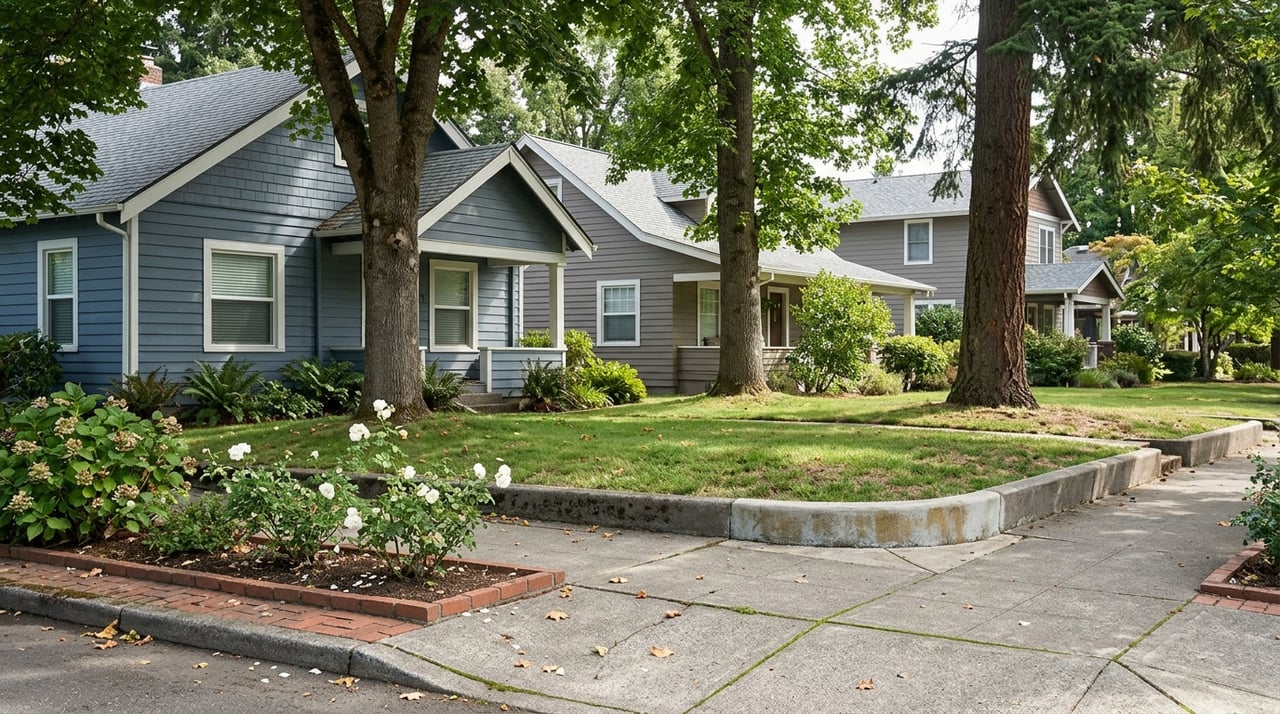
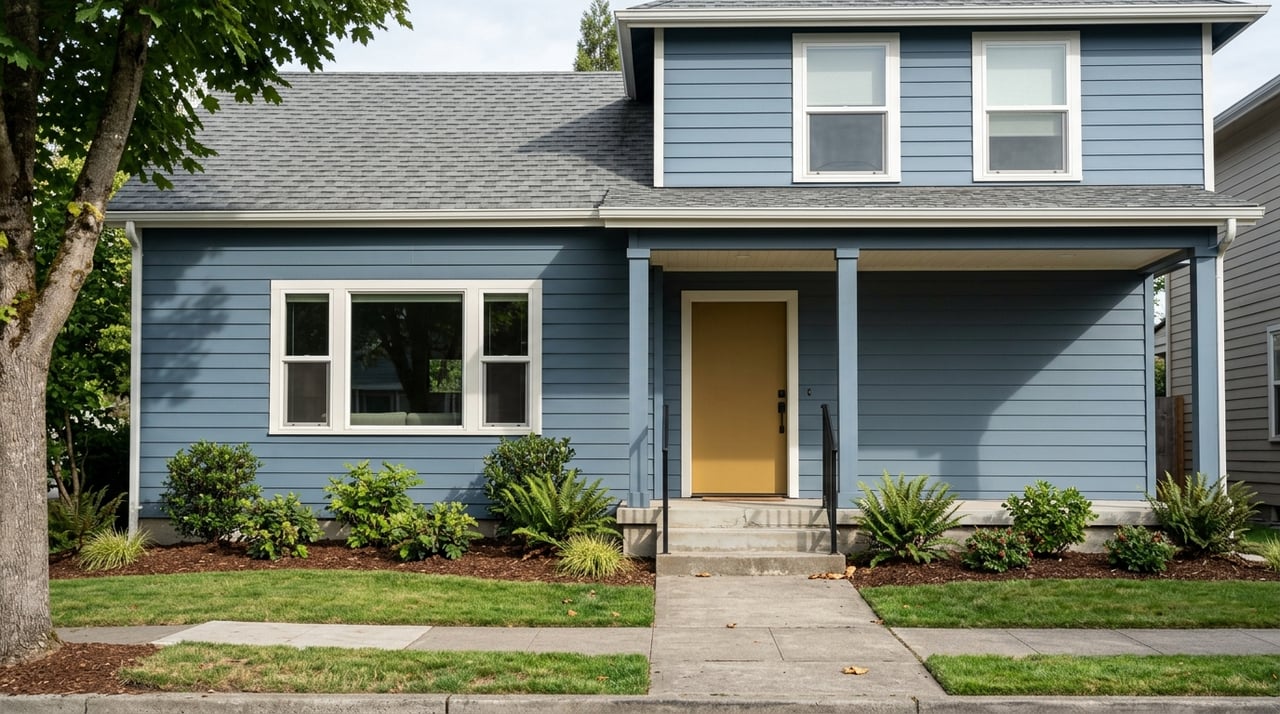
Buckman is one of those neighborhoods where one block can feel very different from the next. That is not your imagination. The neighborhood plan describes Buckman as a series of small housing pockets rather than one continuous residential fabric.
Part of that comes from the street grid and land use pattern. Institutions, parks, and larger blocks interrupt the layout, and historically only six of the 16 north-south streets ran continuously through the neighborhood. So even if you are only moving a few blocks, the atmosphere can shift quickly.
You might walk from an older house-lined pocket to a busier apartment stretch, then hit a more utilitarian edge near commercial or industrial uses. For buyers and renters, this is one of the most important things to understand. In Buckman, micro-location matters.
Housing feels dense and varied
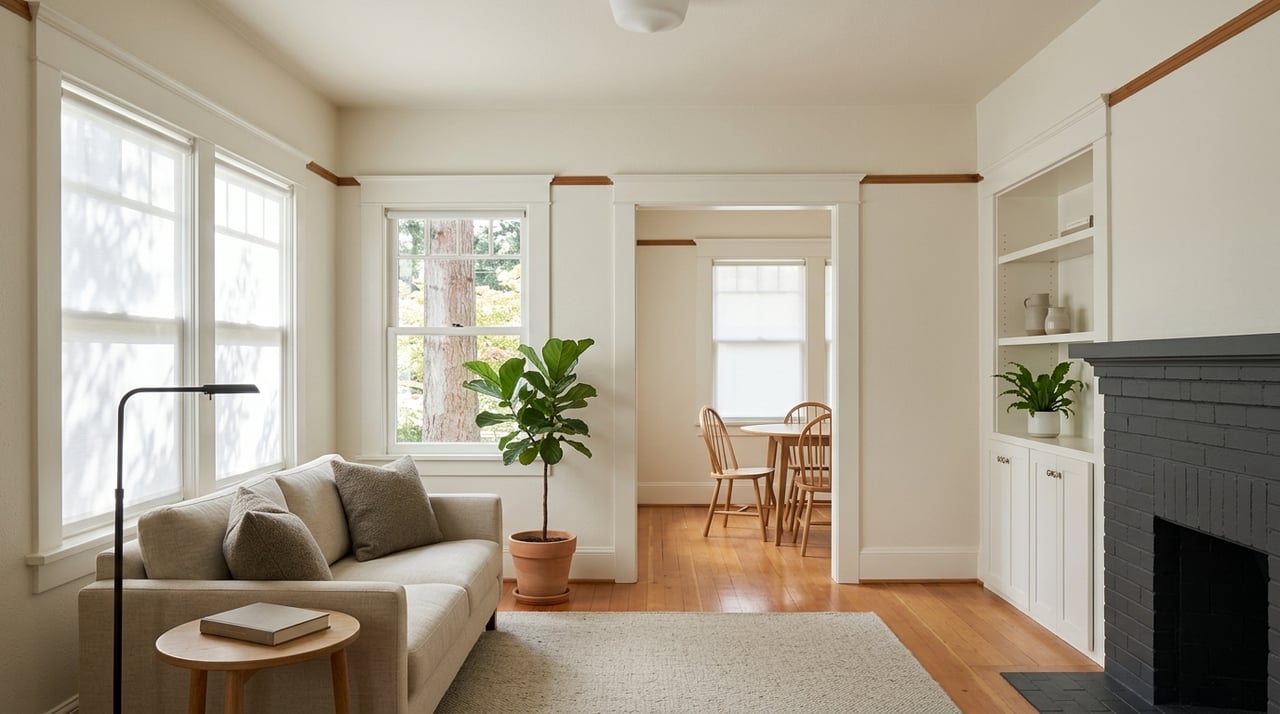
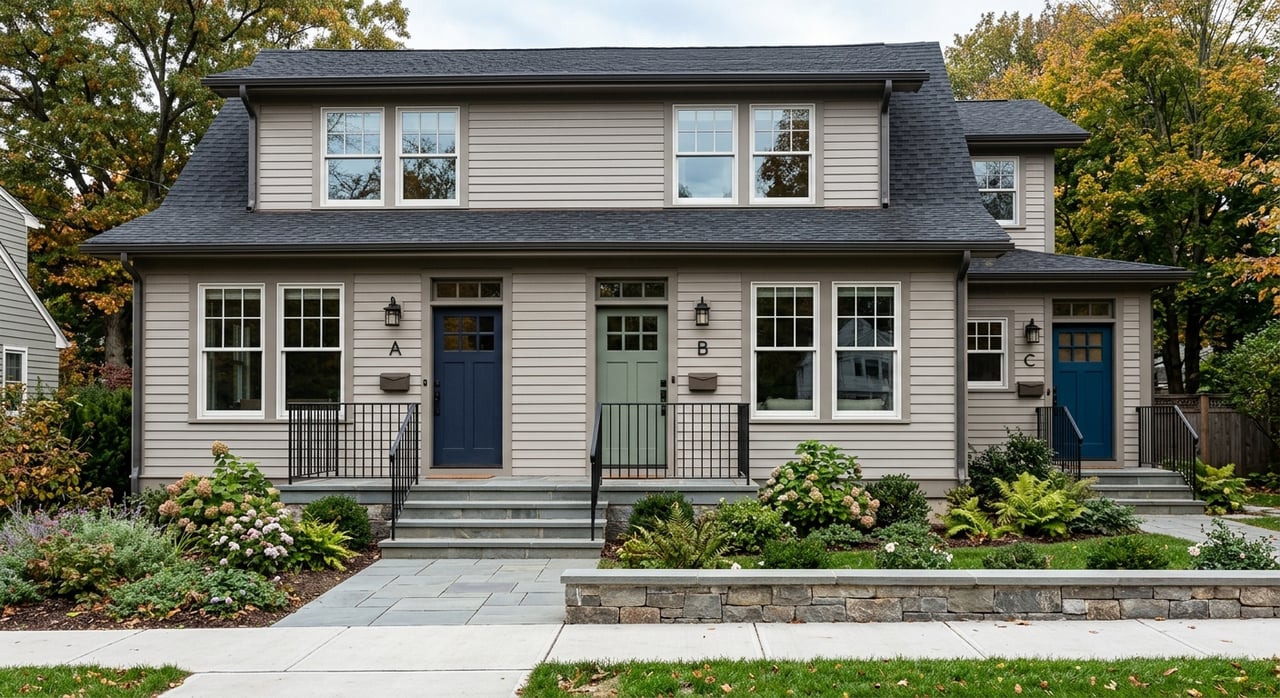
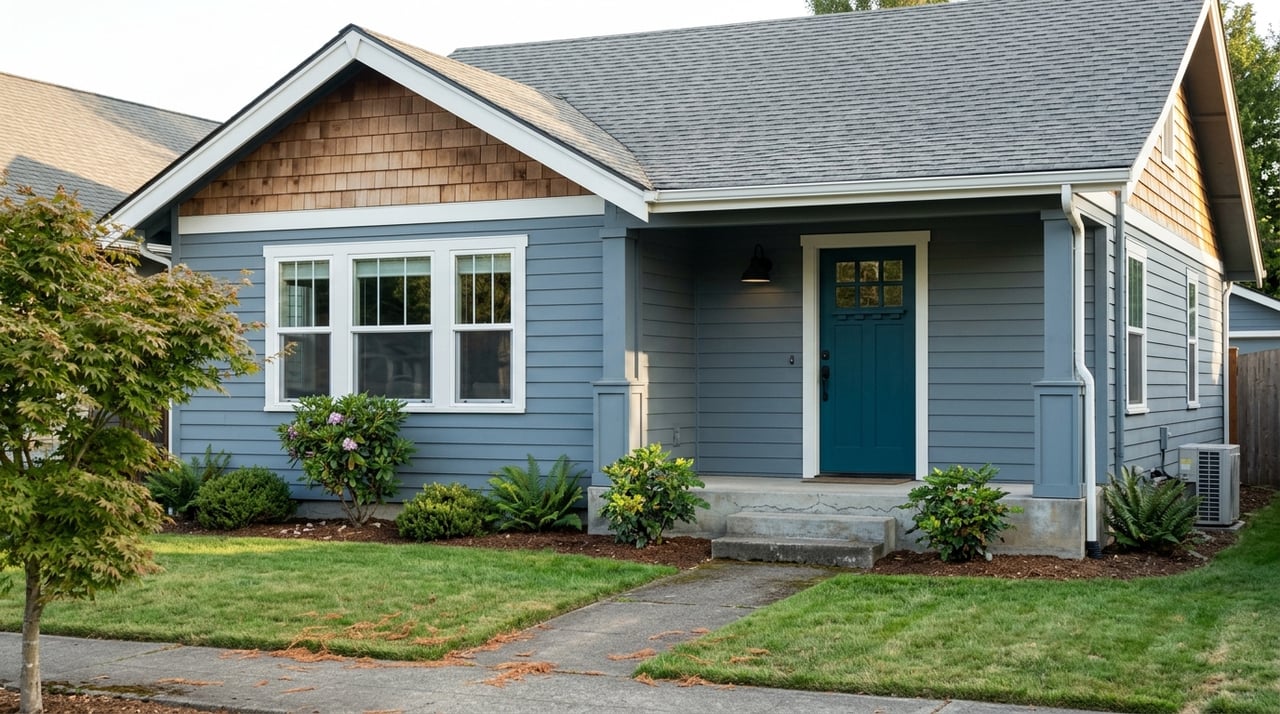
East of 12th Avenue, Buckman’s residential core includes a wide range of housing types. The neighborhood plan identifies small and large single-family homes, rowhouses, group housing, and both small and large apartment buildings. It also notes that many former single-family homes were converted into multiple units.
That variety helps explain why Buckman does not read like a suburban neighborhood. Portland’s 2020 profile shows 11,151 residents in 6,069 households, with an average household size of 1.8. It also shows just 12% owner occupancy and a median contract rent of $1,321, which reinforces the area’s renter-heavy character.
The same profile lists a median home value of $556,000. If you are buying here, that means you are often balancing location, housing type, and block feel more carefully than lot size or separation from activity. If you are selling, it also means buyers are often looking closely at convenience, transit access, and how your specific block lives day to day.
Buckman is compact, not suburban
The neighborhood’s household makeup also affects its feel. According to Portland’s profile, only 9% of households have children. That does not define who belongs here, but it does help explain why Buckman often feels compact, adult-oriented, and less centered on a suburban rhythm.
In daily life, that can mean more small households, more apartment living, and more people using neighborhood businesses and transit as part of their normal week. You are less likely to experience Buckman as a spread-out residential district. You are more likely to experience it as a close-in neighborhood built around access and routine movement.
Parks are useful, even if limited
Buckman is not a neighborhood with a huge park system. In fact, the 1991 neighborhood plan described it as park deficient. That makes the open spaces it does have feel more important in everyday life.
Colonel Summers Park is the neighborhood’s main green space. Portland Parks describes it as a lively neighborhood park with lawns, trees, walking paths, a playground, splash pad, and courts and fields for basketball, futsal, tennis, volleyball, softball, and pickup soccer. The city also notes that people use it for dog walks, casual meetups, frisbee, and summer events.
Buckman Community Garden is smaller, but it adds another useful piece to the neighborhood. Located at SE 18th and Oak, it sits on a terraced slope and covers 0.16 acres. The city also lists Colonel Summers Community Garden and the Eastbank Esplanade among Buckman’s park resources.
In real life, this means residents often rely on a few high-use outdoor spaces rather than a broad network of parks. If outdoor access matters to you, it is smart to think less about the total number of parks and more about how close you want to be to Colonel Summers or the riverfront path.
West and east Buckman live differently
The city’s east-west split is one of the simplest ways to understand Buckman. East of 12th, the neighborhood is primarily residential. West of 12th, industrial uses become a more visible part of the landscape.
That does not make one side better than the other. It just means the daily soundscape, street activity, and building pattern can differ depending on where you are. Some people love being near the action and quick connections. Others prefer the quieter residential pockets farther east.
This is why a map alone does not tell the whole story. If you are thinking about buying or selling in Buckman, it helps to look at the specific block, nearby corridors, and how the property connects to the routines you actually care about.
What Buckman life usually feels like
For many people, Buckman feels like a neighborhood where convenience and character come from proximity. You are near downtown, tied into major bus lines, and close to established business corridors. It is easy to picture a day that includes a bus ride, a walk to coffee, a stop at the park, and a bike trip over the river.
At the same time, Buckman is not polished into one consistent experience. It is layered. Older houses, apartments, rowhouses, commercial edges, and industrial areas all play a role in the neighborhood’s identity.
That layered feel is exactly why some people love it. If you want a close-in Portland neighborhood with distinct pockets, practical transit access, and a strong everyday street life, Buckman offers a very specific kind of urban routine.
If you are trying to decide whether Buckman fits your lifestyle or your property goals, local context matters. A condo near a main corridor, a house in a quieter interior pocket, and a small multifamily property near a mixed-use edge can each appeal to a different buyer. If you want clear, candid guidance on how Buckman compares block by block, Devin Arthurs can help you make sense of it.
FAQs
What is Buckman like for daily transportation?
- Buckman is well set up for short, multimodal trips, with frequent TriMet service on Hawthorne, Belmont, and Burnside, plus walking and biking access via the Eastbank Esplanade and nearby bridges.
What does housing in Buckman usually look like?
- Buckman has a varied housing mix that includes older single-family homes, rowhouses, converted homes, and apartment buildings, especially east of 12th Avenue in the residential core.
What do the different parts of Buckman feel like?
- East of 12th generally feels more residential, while west of 12th includes more industrial uses, and blocks near Hawthorne, Belmont, and Burnside tend to feel busier than interior side streets.
Does Buckman have much park space?
- Buckman has modest but useful outdoor space, with Colonel Summers Park as the main neighborhood park and the Eastbank Esplanade serving as an important everyday path for walking and biking.
Who is Buckman a good fit for?
- Buckman often appeals to people who want close-in Portland access, a renter-heavy urban feel, varied housing choices, and day-to-day convenience tied to transit and commercial corridors.