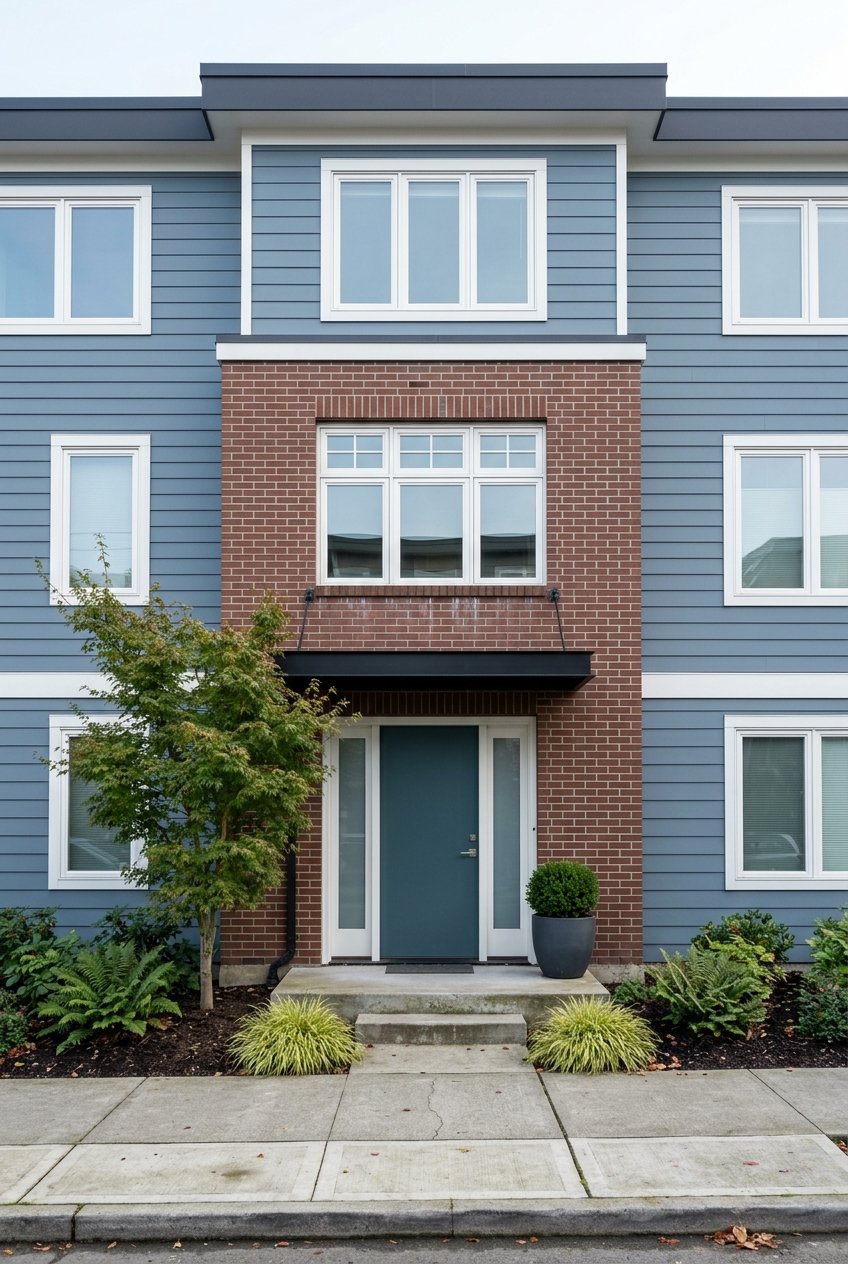
Thinking about condo living in inner Southeast Portland? Along Division and Clinton in Hosford-Abernethy, the appeal is easy to see: you get a walkable, bike-friendly location with transit options, street-level businesses, and a daily routine that can feel less car-dependent. If you are weighing whether a condo here fits your budget and lifestyle, this guide will help you understand the tradeoffs, what the housing stock tends to look like, and what to review before you buy. Let’s dive in.
Why Division and Clinton Stand Out
Hosford-Abernethy sits in inner Southeast Portland between the Willamette River, SE 29th Avenue, Powell Boulevard, and Hawthorne Boulevard. The city describes it as both residential and industrial, which helps explain why the neighborhood can feel active and varied depending on the block.
Within that larger neighborhood, the Division and Clinton corridor works as a real business district, not just a stretch of housing near a few shops. Prosper Portland identifies the Division Clinton Business District as covering businesses between SE 12th and 52nd Avenues and SE Lincoln and Harrison to Taggart Streets, so buyers can expect a true retail and service corridor woven into daily life.
That setup matters if you want convenience close to home. Instead of driving across town for coffee, groceries, dining, or errands, you may find many of those stops built into your usual route through the neighborhood.
What Condo Living Feels Like Here
Condo living along Division and Clinton is usually more about location and daily access than maximizing square footage. Portland planning documents for neighborhood corridors point toward low- to mid-rise, sidewalk-oriented mixed-use buildings and small-scale infill rather than high-rise towers.
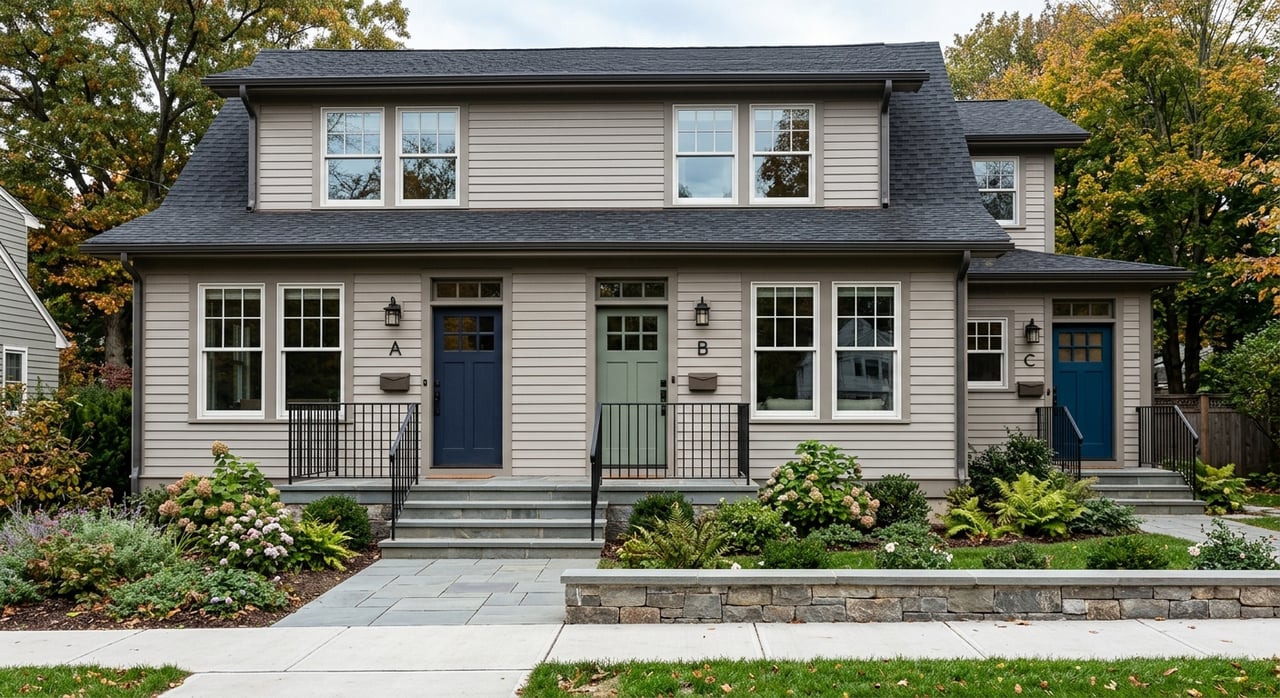
In practical terms, many buyers should expect walk-up buildings, smaller condo projects, and mixed-use buildings with homes above or near storefronts. That can be a strong fit if you want a more neighborhood-scaled building and easy access to what is happening at street level.
The tradeoff is that smaller buildings often have fewer shared amenities than a large full-service tower. You may not find expansive common areas or a long list of building perks, but you may gain a setting that feels more connected to the surrounding streetscape.
Division Versus Clinton Daily Vibe
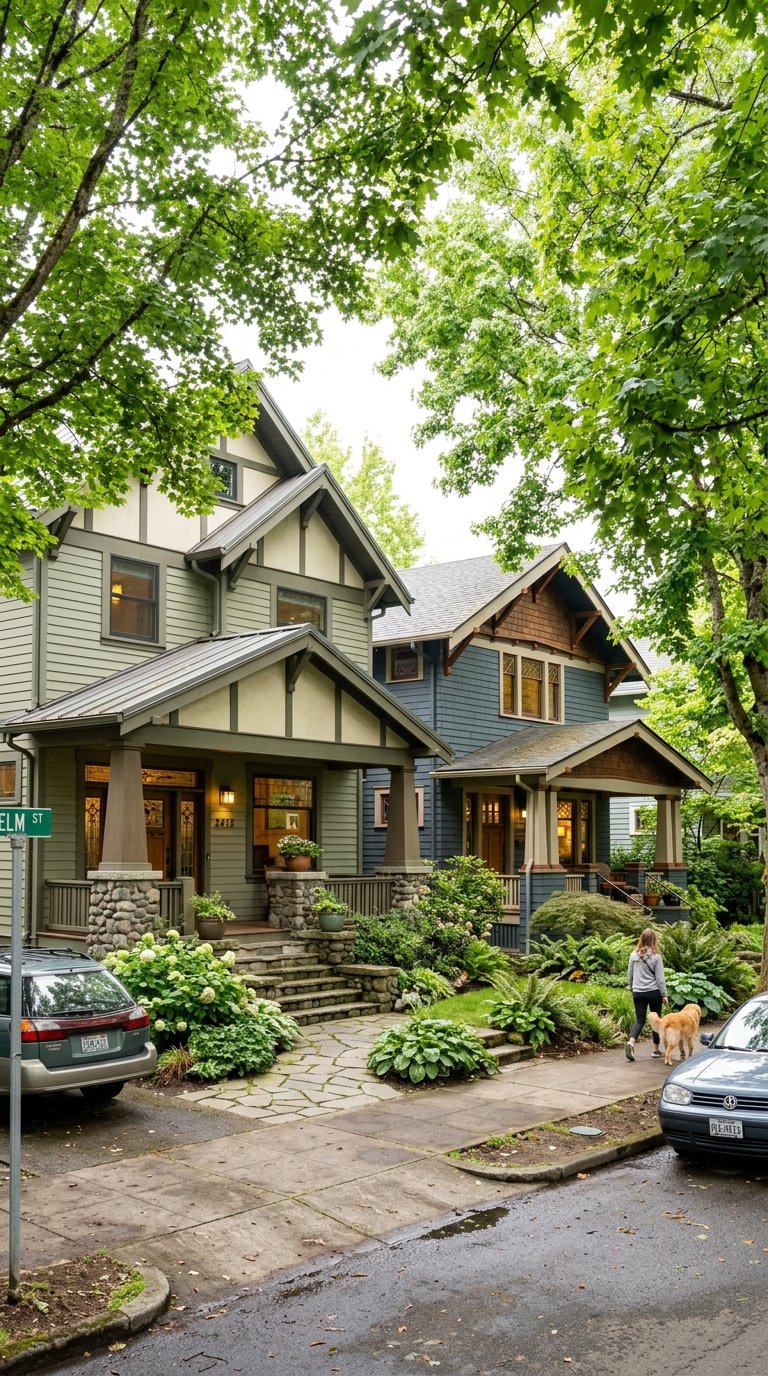
Division and Clinton are close together, but they can feel different in everyday use. Travel Portland describes the Division and Clinton area as a two-mile neighborhood with restaurants, shops, and bookstores, and notes that it is one of Portland’s most bike-friendly areas.
Division tends to read as the busier frontage, with a more urban rhythm and stronger commercial presence. If your condo is right on or very near Division, you may be choosing convenience and activity first.
Clinton often feels more residential and bike-oriented. Portland Bureau of Transportation describes SE Clinton as a neighborhood greenway and has invested in safety and traffic-calming improvements there, which supports the idea that it functions differently from the more active Division corridor.
That difference can shape your search. Some buyers want to step outside and be in the middle of the action, while others prefer to live a block or two off the busiest street and still keep the same restaurants, shops, and services close by.
Transit and Bike Access Are Major Perks
One of the biggest advantages of this area is how many transportation options are packed into a relatively small geography. FX2-Division runs every 12 minutes or better all day, every day, with stops including SE Division and 12th, 20th, 26th, 30th, and 34th Avenues.
For a condo owner, that can make daily commuting and errands much simpler. It also gives you a realistic car-light option for trips toward downtown, South Waterfront, and other east-side destinations.
The Clinton/SE 12th MAX Orange Line station adds another layer of access nearby. TriMet lists connections there to bus routes 9, 17, 70, and 291, along with 52 bike rack spaces, and Route 70 also serves SE Ladd and Division.
If biking is part of your routine, this location has added appeal. PBOT notes that SE Clinton Plaza sees a high level of bicycle traffic and includes public seating, commercial seating, bike parking, and a nearby Biketown station.
Everyday Amenities Near Home
Condo buyers often focus on the unit itself, but daily life is also shaped by what is around you. In Hosford-Abernethy, the neighborhood includes public spaces and community assets that support a more local, on-foot or on-bike lifestyle.
Portland’s neighborhood page lists Clinton Community Garden, Ladd Circle Park and Rose Gardens, and Piccolo Park among the area’s amenities. These kinds of nearby spaces can help balance the denser, more active feel of corridor living.
That is especially useful if you are comparing a condo here with a home in a quieter residential pocket farther out. Along Division and Clinton, the value often comes from having more of your routine within easy reach.
What the Costs Really Look Like
This is not an entry-level bargain area by Portland standards. Portland’s 2023 neighborhood profile shows 56% homeownership in Hosford-Abernethy, a median home value of $673,302 for owned homes, and a median gross rent of $1,432, which places it in a higher-cost inner Southeast market.
For many buyers, that means a condo here should be viewed as a location-and-lifestyle purchase. You may be choosing access, convenience, and neighborhood character over larger square footage.
It is also important to remember that your monthly condo cost is usually not just your mortgage payment. HOA dues are commonly paid separately, and they need to be part of your affordability plan from the start.
Why HOA Review Matters in Oregon
In Oregon, condo due diligence is a serious part of the buying process. The Oregon Real Estate Agency says it reviews and approves all condominiums, and it also states that developers must provide residential purchasers with a condominium disclosure statement and a unit sales agreement.
Oregon law also gives buyers a cancellation right before closing, and the agency states that a contract cannot require a buyer to waive that right. That is an important protection, especially if you are buying a newly developed or recently converted condo.
For resale condos, document review is just as important. You want to understand not only what the dues are today, but also how the association is planning for future repairs and building maintenance.
Reserve Funds and Special Assessments
A low HOA fee is not automatically a good sign. Under ORS 100.175, Oregon law addresses reserve accounts, reserve studies, and maintenance-plan information, and it notes that an association’s operating budget projection is only an estimate.
For you as a buyer, that means the reserve study and maintenance plan deserve close attention. A building that has been planning ahead for major repairs may be easier to budget for than one with low dues but weak reserves.
This is where condo ownership can surprise first-time buyers. If a building has deferred maintenance or underfunded reserves, future costs may show up through special assessments or higher dues rather than in the purchase price alone.
A Smart Condo Due Diligence Checklist
If you are considering a condo along Division or Clinton, review the key documents as early as possible. Buyers often have a limited window after an offer is accepted to review condo materials, so it helps to be ready.
Start with this checklist:
- Current HOA budget
- Reserve study
- Maintenance plan
- Governing documents
- Current monthly dues
- Any known upcoming major repairs or projects
These items can tell you whether the monthly fee is supporting normal operations and long-term maintenance, or whether it may be too low for the building’s actual needs.
Who This Location Fits Best
Condo living here tends to work best for buyers who care most about inner Southeast convenience. If you want walkable dining and shopping, strong bike access, and transit options that can reduce dependence on a car, the Division and Clinton area checks a lot of boxes.
It can also be a good fit if you like smaller-scale buildings that feel integrated into the neighborhood rather than separated from it. That building style is common in corridor areas shaped by low- to mid-rise mixed-use development patterns.
At the same time, this is usually not the best place to shop strictly by square footage or lowest monthly ownership cost. The tradeoff is clear: you are often paying for location, access, and everyday ease.
Buying With a Clear Strategy
When you shop for a condo in Hosford-Abernethy, it helps to stay candid about your priorities. Are you trying to minimize driving, stay close to transit, and live near restaurants and services, or are you looking for the most interior space for your budget?
That question can quickly narrow the field. In this part of Portland, a smart purchase usually comes from matching the building, HOA health, and street location to how you actually want to live day to day.
If you want direct, practical guidance on condos in inner Southeast Portland, Devin Arthurs offers owner-led buyer representation with clear communication and local market insight to help you evaluate both the lifestyle upside and the financial details.
FAQs
What is condo living like along Division and Clinton in Hosford-Abernethy?
- Condo living here is often centered on walkability, bike access, transit convenience, and close proximity to restaurants, shops, and services, with many buildings being smaller low- to mid-rise or mixed-use projects rather than high-rise towers.
Are condos along Division and Clinton in Portland usually in large buildings?
- No. Portland planning guidance for neighborhood corridors points more toward small-scale infill, walk-up buildings, and mixed-use projects than toward large tower-style condo buildings.
How good is transit near Division and Clinton in Hosford-Abernethy?
- Transit access is a major advantage, with FX2-Division running every 12 minutes or better all day and the nearby Clinton/SE 12th MAX Orange Line station connecting to several bus routes.
What should condo buyers review before buying in Oregon?
- Buyers should review the condominium disclosure materials available for the property, plus the HOA budget, reserve study, maintenance plan, governing documents, monthly dues, and any signs of deferred maintenance or upcoming major repair costs.
Are HOA dues important when buying a condo along Division or Clinton?
- Yes. HOA dues are typically paid separately from the mortgage, and they should be included in your monthly affordability planning because they can have a major impact on total ownership cost.
Is a Hosford-Abernethy condo a good fit for first-time buyers?
- It can be a strong fit for first-time buyers who value inner Southeast convenience, transit, and bike access, but it is important to weigh HOA costs, reserve health, and the area’s higher-cost market position when setting a budget.